A schooner is a type of sailing vessel with two or more masts, with the aft (rear) mast typically taller than the forward mast. These vessels can range from relatively small sailboats to large traditional vessels and are known for their distinctive rigging, sailing performance and long maritime history.
Schooners were once widely used for fishing, trading and transportation. Today, they are often used for recreational sailing, sailing tours, educational programs and special events.
What Is a Schooner?
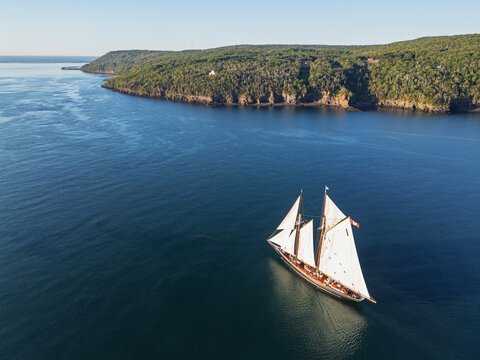
A schooner is a sailing vessel with at least two masts. In a traditional schooner, the aft mast is taller than the forward mast, although there are different rigs and configurations.
One of the defining characteristics of this boat is its sail plan. Instead of relying on one large mast and sail, this boat distributes its sail area across multiple masts. This configuration can make a large sailing vessel easier to manage because the total sail area can be divided among several sails.
Schooners can have different numbers and types of sails depending on their design. Common sails include mainsails, foresails, jibs and staysails. Some models also have additional sails that extend from the masts or bowsprit.
How Big Is a Schooner?
There isn't one standard size. Schooners vary, from small sailing boats that can be handled by a few people to large traditional models measuring well over 100 feet.
Historically, many schooners were designed to be relatively fast and efficient while carrying cargo or operating in coastal waters. Their size depended on their intended use. A working schooner might be built to carry fish, lumber or other goods. In comparison, a modern version may be designed specifically for cruising, passenger tours or sail training.
Today, these vessels can generally be found in a wide range of sizes. Smaller examples may be suitable for private sailing, while larger schooners can accommodate passengers and crew for day sails, overnight trips or extended voyages.
How Does a Schooner Work?
A schooner's multiple masts and sails allow the vessel to use the wind for propulsion. When wind fills the sails, it creates aerodynamic forces that move the boat forward.
The sails are adjusted based on the direction and strength of the wind. Sailors can change the angle of the sails and steer the boat to make the most of available wind conditions.
One advantage of the design is that its total sail area can be spread across multiple sails. Rather than having one extremely large sail, sailors can work with several smaller sails. This can provide flexibility when sailing and can make it easier to adjust the amount of sail exposed to the wind.
Like other sailboats, these boats use a combination of sails, rigging, a rudder and a hull designed to move efficiently through the water.
Schooner vs. Other Sailboats
Schooners are just one of many types of sailing vessels. The primary difference between these vessels and other sailboats is its mast and sail configuration.
For example, a sloop typically has one mast and two primary sails: a mainsail and a headsail. A ketch has two masts, with the forward mainmast taller than the aft mizzenmast. A yawl also has two masts, but its aft mizzenmast is positioned farther aft, usually behind the rudder post.
A traditional model, by comparison, has two or more masts with the aft mast generally taller than the forward mast.
The differences may seem subtle, but mast placement and sail arrangement have a significant effect on how a sailing vessel handles and how its sail area is distributed.
A Brief History of Schooners
These vessels became popular in the 18th century, particularly in North America. Their design was well suited to coastal sailing, where vessels needed to be relatively fast, maneuverable and capable of operating with smaller crews.
Working schooners were used for a variety of purposes. They carried cargo, transported passengers and supplies, supported fishing operations and served other commercial roles. Their ability to sail efficiently and maneuver in coastal waters made them useful working vessels.
These boats were also used by privateers, naval forces and other maritime organizations. As steam-powered vessels became increasingly common, the commercial use of sailing vessels declined.
However, these boats never disappeared completely. Many historic vessels have been preserved or restored, while new versions continue to be built for recreational sailing, education and tourism.
What Are Schooners Used for Today?
Modern schooners are used for a variety of purposes, including:
- Recreational sailing: Owners may use smaller schooners for cruising, day trips and extended sailing.
- Sailing tours: Larger schooners can take passengers on sightseeing and sunset cruises.
- Sail training: Traditional vessels are often used to teach sailing skills, navigation and maritime history.
- Educational programs: Schools and nonprofit organizations may use these vessels to introduce students to marine science and sailing.
- Special events: These vessels can provide a memorable setting for private events, weddings and group outings.
- Historic preservation: Historic versions help preserve traditional sailing techniques and maritime history.
For passengers, sailing aboard a schooner can also offer a different experience from a typical modern sailboat. The multiple masts, traditional rigging and larger deck areas can give passengers a closer look at how historic sailing vessels operated.
What Is It Like to Sail on a Schooner?
Sailing on a schooner can feel different from sailing on a smaller recreational sailboat. Larger models tend to have more deck space and may carry a professional crew, particularly when they are used for passenger cruises.
The sailing experience also depends heavily on the vessel's size and design. A smaller version may provide a hands-on sailing experience, while passengers aboard a larger traditional version may primarily enjoy the ride while the crew handles the sails and navigation.
Because these are sailing vessels, trips can also vary based on wind, weather and sea conditions. Some operators offer short day sails, while others provide multi-day sailing experiences.
Are Schooners Still Used for Sailing?
Yes. Schooners are still actively used today, both as recreational boats and as commercial passenger vessels.
Modern versions may incorporate contemporary navigation equipment, engines and safety systems while maintaining a traditional sailing rig. Historic schooners may also be restored to preserve their original design and sailing characteristics.
For people interested in learning about traditional sailing, this boat type can provide an opportunity to experience a vessel design that played an important role in maritime history.
Frequently Asked Questions About Schooners
Q: What is a schooner?
A: A schooner is a sailing vessel with two or more masts, traditionally with the aft mast taller than the forward mast. These sailboats were historically used for fishing, cargo transportation and coastal sailing and are still used today for recreation, sailing tours and education.
Q: How big is a schooner?
A: These boats come in many sizes. Some are relatively small recreational sailboats, while large models can measure more than 100 feet long and carry passengers and crew. The size depends on its design and intended use.
Q: What is the difference between a schooner and a sailboat?
A: A schooner is a type of sailboat, so all schooners are sailboats, but not all sailboats are schooners. The main distinction is the schooner's mast and sail configuration. Traditional models have two or more masts, with the aft mast generally taller than the forward mast.