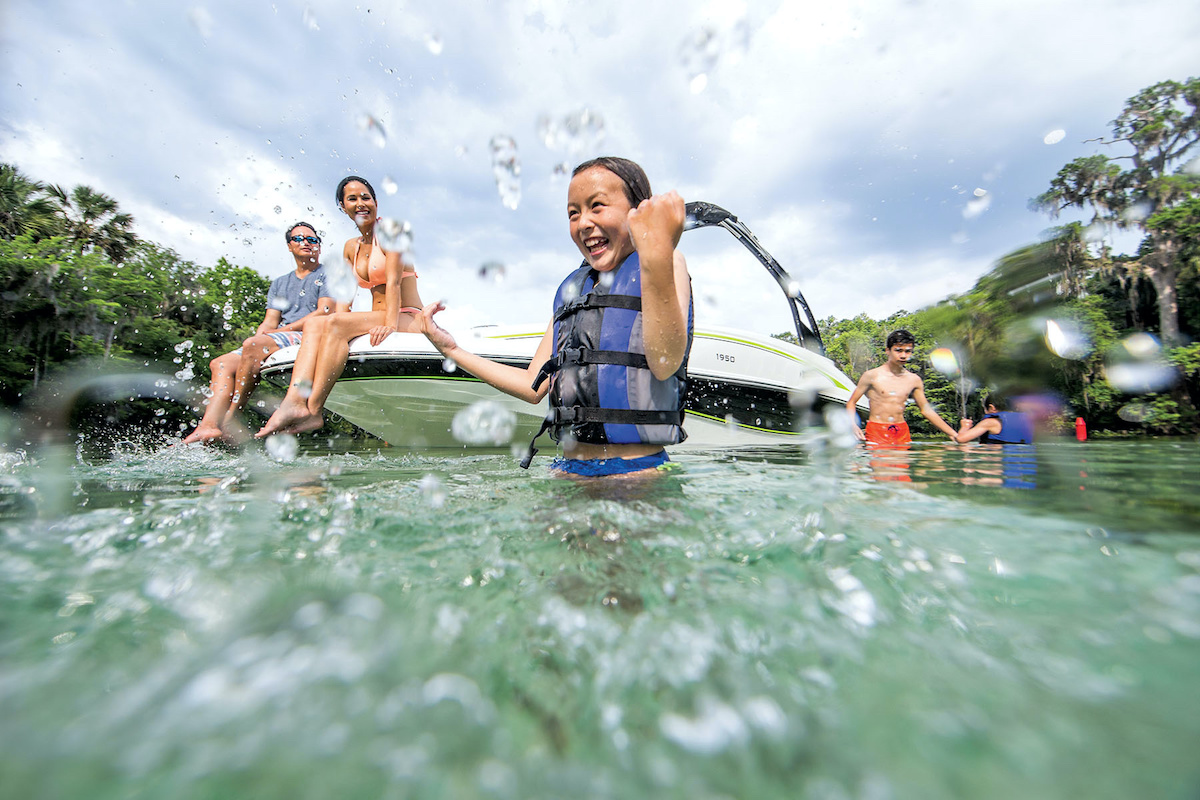
Boat ownership doesn’t have to mean constant maintenance. The right boat allows upkeep to be simple so you can spend your weekends on the water. If you want a boat that's simple to own, the best low-maintenance boats share a few traits: durable hull materials, simple or modern engines, and a design that's easy to rinse, store and service. This guide covers what makes a boat easy to maintain, which types fit the bill, and how to keep upkeep light once you own one.
What Makes a Boat Low Maintenance?
No boat is truly maintenance-free, but certain features cut down the work considerably.
Hull material. Aluminum hulls resist corrosion in freshwater, don't blister and shrug off dings. Fiberglass is durable and easy to wash and wax. Rotomolded polyethylene hulls, common in small boats and kayaks, are tough and need almost no finish care.
Engine type. A modern four-stroke outboard is typically simpler to service than an inboard or sterndrive: it's easier to reach, easier to flush and easy to take to a dealer if something goes wrong. Electric motors have even fewer moving parts, with no oil changes, spark plugs or fuel system to manage.
Water type. Freshwater is far gentler on boats than saltwater. If you boat in salt, plan on a freshwater rinse after every trip regardless of boat type.
Storage. A boat kept on a trailer or in dry storage avoids constant exposure to water, algae and barnacles, so it needs less cleaning and generally no bottom paint.
Simple design. Fewer systems mean fewer things to break. Boats without galleys, heads, generators or elaborate wiring are easier and cheaper to keep up.

Types of Low Maintenance Boats
Aluminum Fishing Boats
Aluminum fishing boats and jon boats are among the easiest boats to own. They're light, tough and simple, with minimal upholstery, no gelcoat to polish and a hull that handles rough treatment at the ramp. Pair one with a small outboard and a trailer and the routine is mostly rinse, check and go.
Learn More About Aluminum Fishing Boats
Pontoon Boats
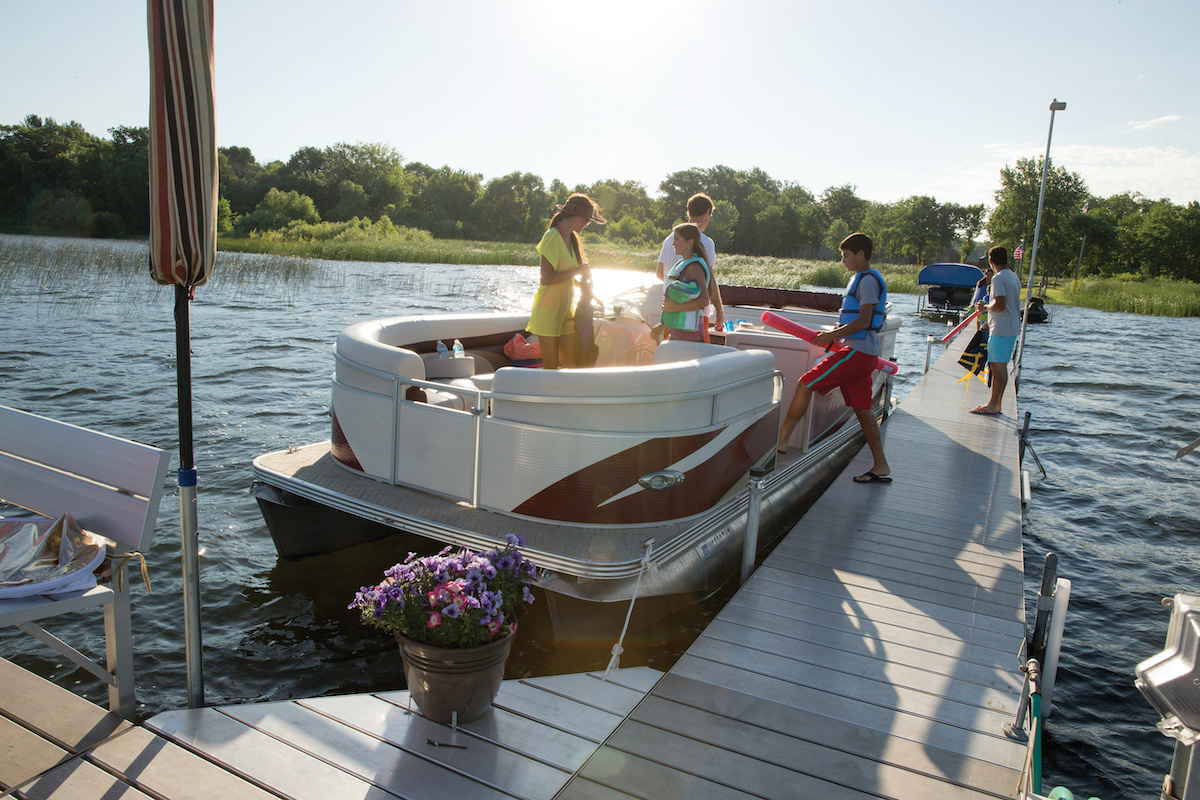
Pontoon boats are popular with families for good reason. Aluminum pontoons don't need waxing, the flat deck is easy to hose down, and most models are powered by a straightforward outboard. Choose vinyl furniture and a quality cover to keep the interior in good shape with little effort.
Learn More About Pontoon Boats
Small Fiberglass Bowriders and Center Consoles
A smaller fiberglass runabout or center console with an outboard offers a good balance of comfort and easy care. Look for models with marine-grade vinyl, composite or synthetic decking instead of varnished wood, and an open layout that drains and dries quickly.
Skiffs and Jon Boats
Simple skiffs have open decks, few systems and shallow-water versatility, which makes them easy to clean and inexpensive to maintain. See our guide to skiff boats for more on how they work.
Dinghies, Kayaks and Paddle Boats
Small rotomolded and inflatable boats are about as simple as boating gets. There's little to service, they store easily and cleanup is a quick rinse. Electric trolling motors or small outboards add power without much complexity.
Electric Boats
Electric boats are a growing option for lakes and calm waters. Without a gas engine, there's no oil, fuel filters or winterizing the fuel system. You'll still care for the hull and keep the battery charged, but routine mechanical upkeep is much lighter.
Features That Reduce Upkeep
When comparing boats, look for these details:
- Synthetic or vinyl-covered flooring instead of carpet or teak
- Marine-grade stainless steel or anodized aluminum hardware
- Self-bailing or easy-draining decks
- Easy engine access for routine checks
- A quality, properly fitted boat cover
- Dealer support nearby for service and parts
Simple Habits That Keep Maintenance Low
Even an easy-care boat benefits from a short routine:
- Rinse after every outing. This is especially important in saltwater, where salt speeds up corrosion.
- Flush the engine with fresh water as the manufacturer recommends.
- Use fresh fuel and a fuel stabilizer if the boat will sit, and follow your engine maker's guidance on ethanol.
- Check the basics before each trip: battery, fuel connections, drain plug, lights and safety gear.
- Cover or store the boat to protect it from sun, rain and debris.
- Follow the service schedule. Annual servicing by a qualified technician prevents small problems from growing.
- Winterize properly if you boat in cold climates.
Choosing the Right Low Maintenance Boat for You
The easiest boat to maintain is the one that fits how you actually boat. Think about where you'll use it (lake, river, bay or ocean), how many people you'll carry, how you'll store it, and what you'll do on board. A weekend angler on a small lake has different needs than a family cruising a saltwater bay.
Frequently Asked Questions
Q: What is the most low-maintenance type of boat?
A: Small aluminum boats, such as jon boats and aluminum fishing boats, are generally among the easiest to maintain, especially in freshwater. Pontoon boats, simple skiffs and small boats are also easy to care for. The best choice depends on where and how you plan to boat.
Q: Are outboard motors lower maintenance than inboards?
A: In most cases, yes. Outboards are easier to access, flush and service, and they can often be removed or serviced at a dealer without major work. Modern four-stroke outboards also need less routine attention than older two-stroke designs. All engines still require regular servicing.
Q: How much maintenance does a boat really need?
A: Even low-maintenance boats need basic care: cleaning after use, regular engine service, proper storage and seasonal winterizing where needed. The amount depends on the boat type, engine, water type and storage method. Keeping a boat on a trailer or in dry storage typically reduces cleaning and hull upkeep compared to leaving it in the water.