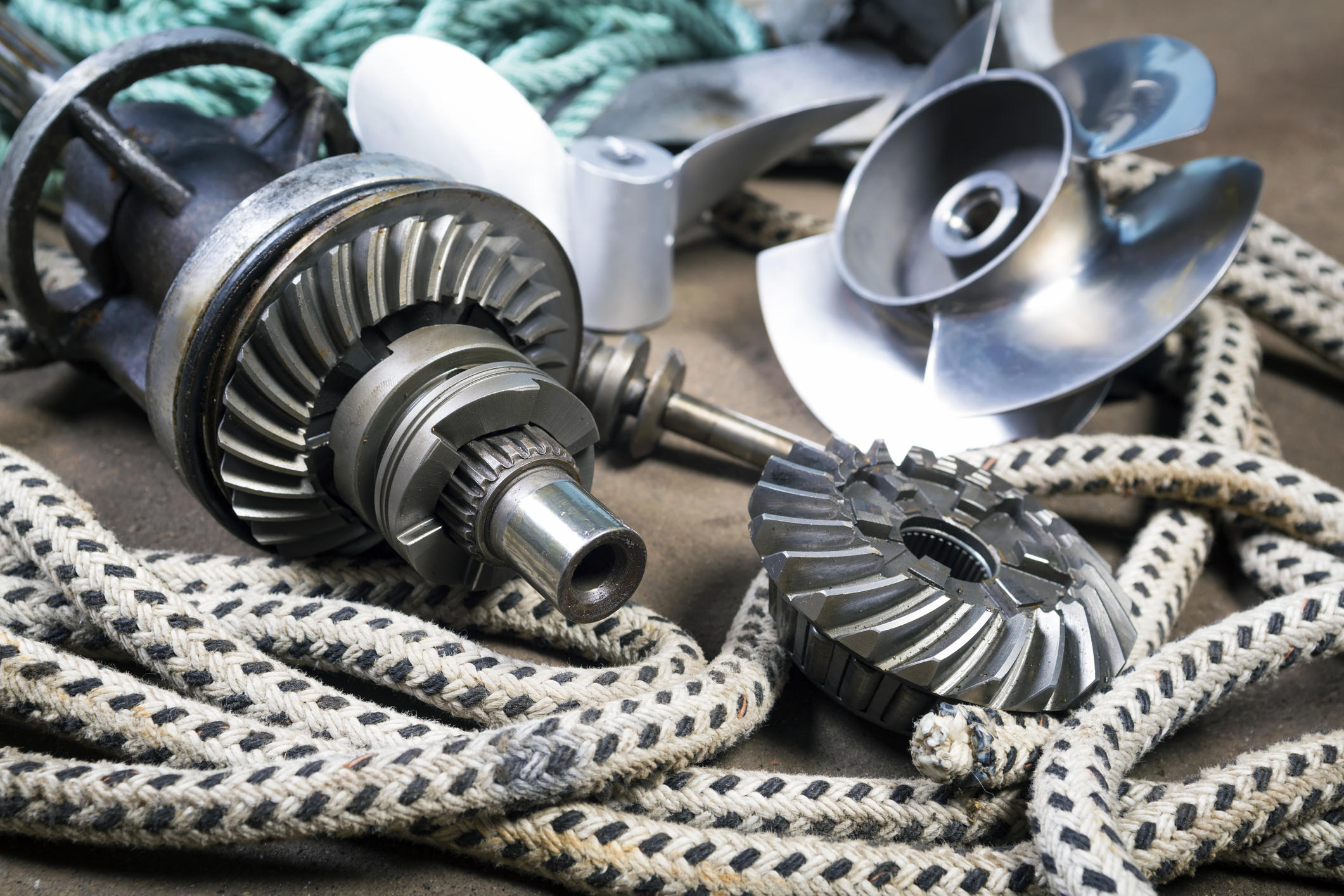
When you're out on the water, a small mechanical problem can quickly turn into a major inconvenience. Keeping essential spare boat parts onboard can help you handle common issues and get back to shore safely. The right replacement boat parts depend on your boat, engine, and equipment, but every boater should carry a basic selection of spares.

What Spare Boat Parts Should You Keep Onboard?
The most important spare boat parts to keep onboard include engine belts, fuses, light bulbs, spark plugs, fuel filters, hose clamps, spare fuel-line components, and replacement hardware. You should also carry basic tools needed to install or replace these parts.
Check your owner's manuals and talk to your boat manufacturer, dealer, or marine mechanic for recommendations.
1. Fuses and Circuit Breakers
Replacement fuses are an important part of any onboard spare-parts kit. Keep several replacement fuses that match the types and amperage ratings used by your boat.
Never replace a fuse with one that has a higher amperage rating. If a fuse continues to blow, have the electrical system inspected rather than replacing it.
2. Spare Belts
If your engine uses belts, carrying replacement belts can be helpful in case one breaks while you're underway. A failed belt can affect systems such as the alternator or water pump, depending on the engine.
Keep the correct replacement belt for your specific engine and make sure you know how to access and replace it before you need it.
3. Fuel Filters
A clogged fuel filter can cause an engine to run poorly or stop running altogether. Keeping a spare fuel filter onboard can help you address a clogged filter if you have the knowledge and tools to replace it.
Consider carrying the appropriate replacement filters for your engine and fuel system, and follow the manufacturer's maintenance recommendations.
4. Spark Plugs
Boats equipped with gasoline-powered engines may benefit from carrying spare spark plugs. Fouled or damaged spark plugs can cause rough running, misfires, or difficulty starting.
Keep the correct spark plugs for your engine and the tools needed to remove and install them.
5. Hose Clamps and Marine Hoses
Hose clamps are inexpensive, take up little space, and can address certain hose-related problems. Carry correctly sized, corrosion-resistant clamps designed for marine applications.
Depending on your boat, you may also want to carry short lengths of commonly used marine hose. Don't use makeshift materials for systems where the wrong hose could create a safety hazard.
6. Replacement Light Bulbs
Navigation lights and other onboard lights are important for safe operation, particularly when boating at night or in low-visibility conditions. Carry replacement bulbs that match the fixtures on your boat.
If your boat uses LED fixtures or sealed lighting assemblies, check the manufacturer's recommendations for appropriate replacement boat parts.
Read Next: Boat Navigation Lights Guide
7. Spare Hardware
Nuts, bolts, washers, screws, cotter pins, and other small pieces of hardware can be useful when a component loosens or a fitting needs to be replaced.
Keep a small assortment of corrosion-resistant marine hardware onboard. Choose sizes that match the hardware already used on your boat.
What Tools Should You Keep With Your Spare Boat Parts?
Replacement boat parts aren't very useful if you don't have the tools to install them. Consider keeping a dedicated marine tool kit onboard with items such as:
- Screwdrivers
- Adjustable and combination wrenches
- Pliers
- Socket set
- Wire cutters and strippers
- Electrical tape
- Marine-grade electrical connectors
- Multimeter
- Flashlight or headlamp
- Utility knife
- Zip ties
Store your tools and spare parts somewhere dry, accessible, and secure. Check them often for corrosion or damage and replace anything that is damaged.
How Do You Choose the Right Replacement Boat Parts and Accessories?
The best replacement boat parts are those specifically designed for your boat and its systems. Before purchasing spares, check your owner's manuals for part numbers, specifications, and recommended components.
Remember that spare parts are not a substitute for proper maintenance or professional repairs. If you're not comfortable diagnosing or repairing a problem, focus on getting everyone safely back to shore and seek assistance.
Frequently Asked Questions
Q: What are the most important spare boat parts to carry?
A: Fuses, engine belts, fuel filters, spark plugs, hose clamps, basic hardware, and replacement light bulbs are good starting points. Your specific needs will depend on your boat and engine.
Q: Should I carry a spare propeller?
A: Carrying a spare propeller can be worthwhile, particularly if you boat in shallow water or areas where underwater obstacles are common. Make sure the spare is compatible with your engine and that you have the proper tools for installation.
Q: Where should I store spare boat parts?
A: Store spare parts in a dry, secure, and accessible location. Use sealed containers to protect components from moisture and corrosion. Remember to inspect your spares to make sure they're still usable.