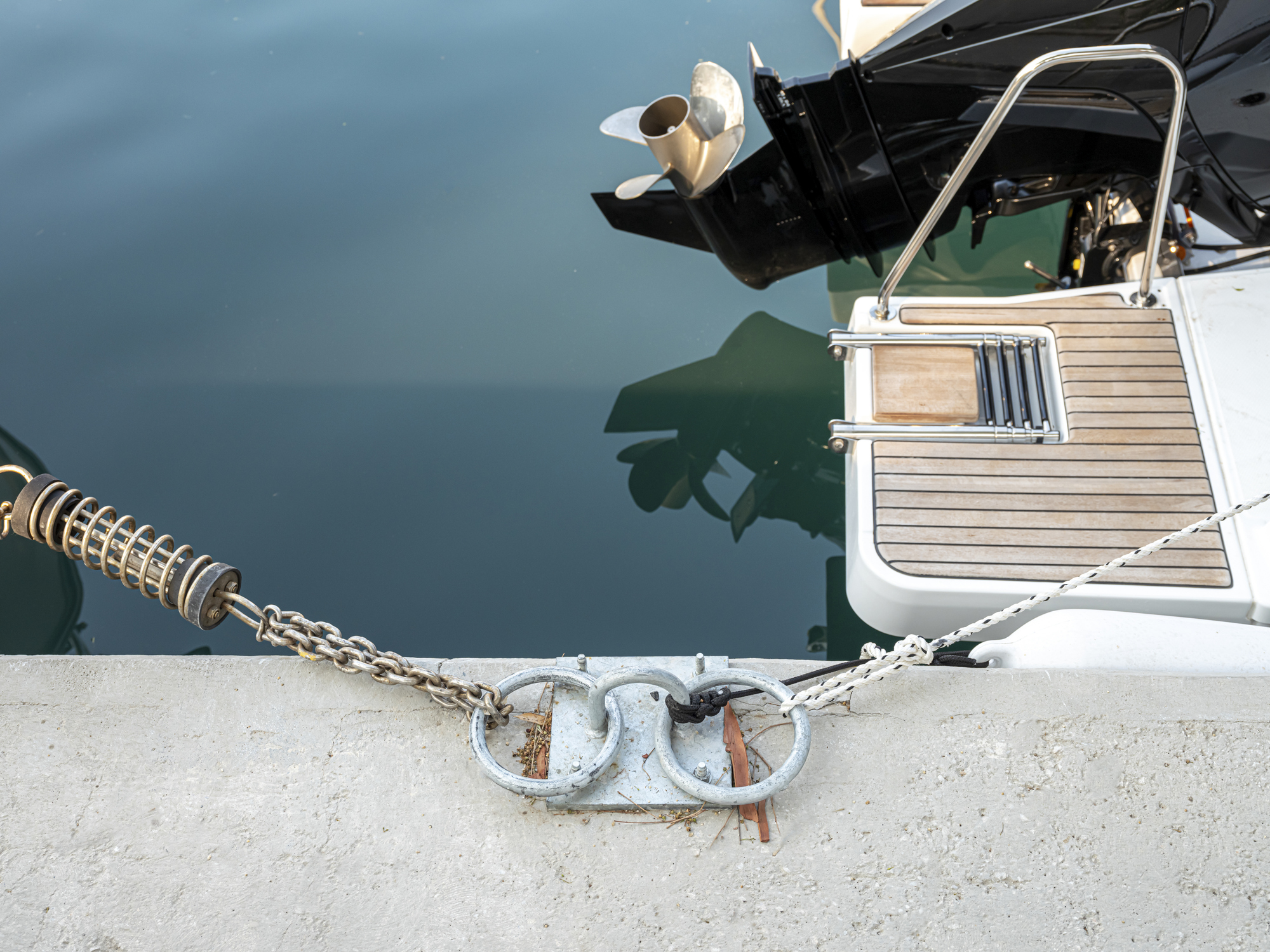
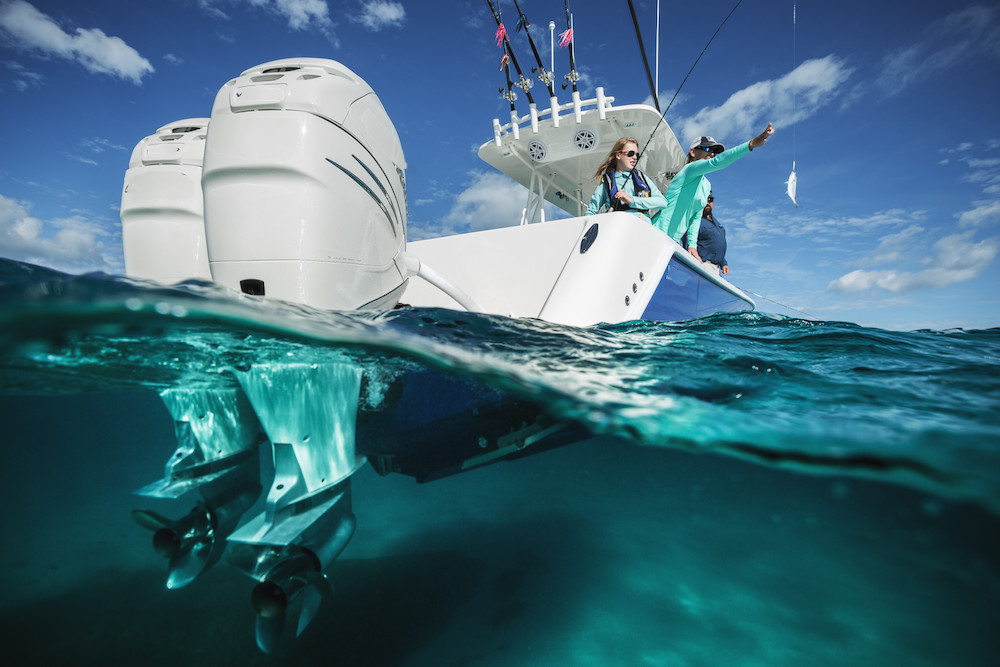
Your boat's propeller connects the engine to the water, just as tires connect your car to the road. Unlike tires, your propeller will not wear with use. However, it is prone to damage, ranging from a few nicks in the blade edges to catastrophic damage from a severe bottom strike.
The soft propeller hub can also be damaged by a bottom strike or simply by age. Even minor propeller damage can impact boat performance, so taking good care of your propeller is essential.
How to Maintain Your Boat's Propeller
- Complete regular inspections.
- Repair or replace the prop when damaged or bent.
- Replace the rubber or plastic hub between the propeller and prop shaft if needed.
- Always carry a spare propeller onboard—just like a spare tire.
- When in doubt, call in the professionals for assistance.
How Does Boat Propeller Regular Inspection Work?
Get in the habit of inspecting your propeller during the boating season. With the transmission in neutral, you can turn the prop. Always remove the engine kill switch before inspecting the propeller.
During your inspection, look for the following:
- Bent propeller blades or nicks in the leading edge.
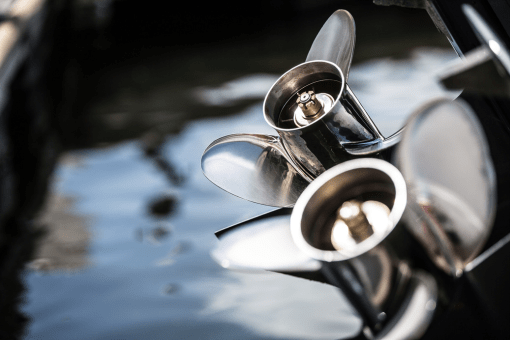
- If no visible damage is present, carefully run your fingers along the leading edges of the prop blades to check for burrs, which can form if the prop is run through sand.
If you find any burrs, you can remove them yourself with a mill bastard file.
How to Repair a Boat Propeller
If prop blades are bent or otherwise damaged, the prop should either be replaced or repaired. Consider the following:
- Bent blades will prevent the prop from functioning correctly, negatively affecting boat performance.
- A damaged prop is likely unbalanced, which can cause vibration at high speeds and lead to further issues.
A good propeller shop can restore a prop with significant damage, often by welding new material onto the affected blades and reshaping them to their original geometry.
Repair costs typically include:
- Aluminum prop repairs: $100 to $150
- Stainless steel prop repairs: $200 to $400
Additional Repair Tips:
- Replacing a damaged aluminum prop may be more cost-effective, while repairing a stainless steel prop often makes economic sense since a new stainless prop can cost between $400 and $700.
- Prop repair requires special skills, tools, and experience, so most marine dealers work with specialized prop shops.
- If you strike the bottom hard enough to damage the prop, have a dealer inspect the propeller shaft. A bent shaft must be repaired or replaced.
What Should You Know About Hub Damage?
Most props have a rubber or plastic insert between the propeller and the prop shaft. This insert is designed to give way on a hard prop strike to protect the gearcase—it is cheaper to replace the prop than the gearcase. If your boat does not move when you apply the throttle, or moves only slowly, you may have "spun the hub."
Keep these points in mind:
- A prop shop can usually replace a spun rubber hub.
- Plastic hub inserts used on many newer props are easy to replace; you can carry a spare and install them yourself on the water.
- Rubber hubs can deteriorate over time and may need replacement even without impact damage.
Remember: Always Carry a Spare
A spare prop is just like a spare tire—a replacement you can use in an emergency. If your prop is severely damaged, replacing it can be a viable alternative to towing back to shore. Many boaters buy a used prop of the correct size to carry as a backup. An affordable aluminum prop can serve as a backup to a stainless prop.
To ensure you're prepared:
- Carry a propeller wrench to remove the prop nut.
- Bring a spare nut, thrust washer, and other hardware in case parts are lost overboard.
Practice changing the prop in the marina or with the boat on a trailer so you understand the process. Changing a prop at sea can be difficult in rough conditions—when in doubt, it may be safer to call for a tow.
Read Next: Boat Motor Maintenance & Engine Care
Boat Propeller Maintenance Q&A
Q: How often should you inspect your boat propeller?
A: Inspect your propeller before and after outings and perform a hands-on inspection several times during the boating season. Regular checks help catch bent blades, nicks, and burrs early.
Q: How long does a boat propeller last?
A: A propeller can last for years if properly maintained and not damaged by impacts. While they do not wear out like tires, corrosion, age, and strikes can shorten their lifespan.
Q: Where can you buy replacement boat propellers?
A: Replacement propellers are available through marine dealers, propeller manufacturers, and reputable online retailers. Always match the prop size, pitch, and hub type to your engine specifications.
Originally published in October 2019. Updated in March 2026.