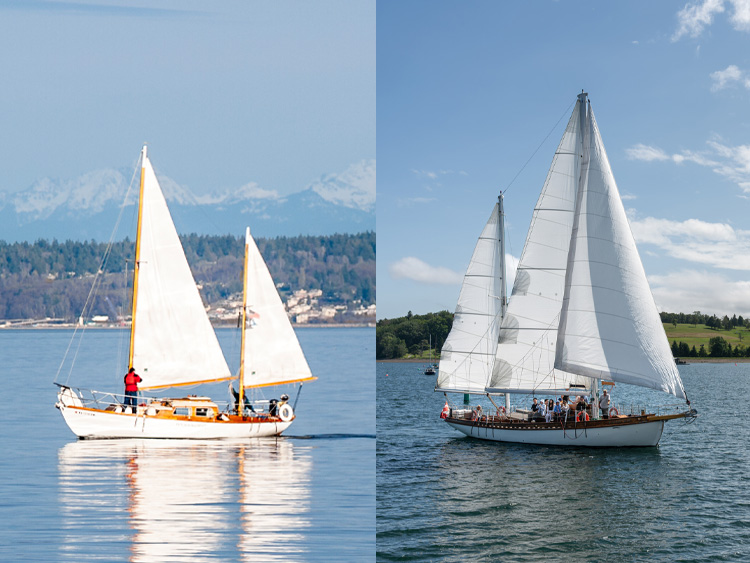
If you've ever explored the history of the Chesapeake Bay or searched for unique classic boats, you may have come across the skipjack boat. But what is a skipjack boat, and why is it such an important part of American maritime history?
Originally designed for harvesting oysters, the skipjack is a traditional working sailboat that became an icon of the Chesapeake Bay. Today, many surviving skipjacks have been restored and preserved. However, others still participate in seasonal oyster harvesting or offer educational sailing experiences.
Whether you're interested in maritime history or looking for a skipjack boat for sale, here's what you should know about these distinctive vessels.
What Is a Skipjack Boat?

A skipjack boat is a traditional wooden sailboat that was developed in the late 1800s for oyster harvesting in the Chesapeake Bay. Designed to work efficiently in shallow waters, skipjacks feature a wide, flat-bottomed hull with a shallow draft. This allows them to navigate the bay's productive oyster beds.
Unlike many sailboats designed for recreation, skipjacks were built as hardworking commercial vessels. Their simple construction made them affordable for watermen while providing enough stability to tow heavy oyster dredges.
Today, the skipjack remains one of the last commercially operated sailing fleets in the world and serves as a reminder of the Chesapeake Bay's rich maritime heritage.
A Brief History of the Skipjack
The skipjack emerged during the 1890s after Maryland passed laws restricting the use of steam-powered boats for oyster harvesting. Watermen needed an efficient sailing vessel capable of handling oyster dredging while complying with state regulations.
Shipbuilders throughout Maryland's Eastern Shore began constructing skipjacks using locally available wood and practical designs. Hundreds were built between the late 1800s and early 1900s, making them one of the most recognizable working boats in the region.
Because of their historical significance, the skipjack was later named the State Boat of Maryland, recognizing its important role in the state's economy and culture.
Read Next: Maryland Boating Guide
Skipjack Boat Design
Several characteristics make a skipjack easy to recognize.
1. Single Mast Sail Plan
Most skipjacks feature a single mast carrying a large triangular mainsail and a jib. This straightforward rig was easier for small crews to operate while still providing enough power for commercial work.
2. Wide, Stable Hull
The hull is broad and relatively flat, giving the boat excellent stability when towing oyster dredges. This design also allows the vessel to carry heavy loads of oysters back to shore.
3. Shallow Draft
The shallow draft enables skipjacks to reach areas where deeper boats cannot operate, making it easier to access oyster grounds throughout the Chesapeake Bay.
4. Built for Working
Rather than emphasizing speed or luxury, every aspect of a skipjack's design focused on durability and function. Large open decks provided room for handling oyster gear, while the rig was optimized for steady performance, even in light winds common on the bay.
Skipjacks and the Chesapeake Bay Oyster Industry
The history of the skipjack is closely tied to dredging for oysters. During the late 19th and early 20th centuries, oysters were one of Maryland's most valuable natural resources.
Skipjacks towed dredges along the bay floor to collect oysters from natural reefs. Their sail-powered operation allowed them to comply with regulations while efficiently harvesting oysters throughout the Chesapeake Bay.
Although the oyster industry has declined due to disease, habitat loss, and changing regulations, a small number of historic skipjacks continue to participate in the annual oyster season under special permits.
Can You Still See Skipjack Boats Today?
Yes—while only a fraction of the original fleet remains, many skipjacks have been restored and continue sailing.
Several operate as educational or sightseeing vessels, giving visitors the opportunity to experience traditional Chesapeake Bay sailing. Historic maritime communities, including St. Michaels, Maryland, are popular places to learn about these unique boats through museums, waterfront exhibits, and sailing demonstrations.
Can You Buy a Skipjack Boat?
Occasionally, you'll find a skipjack boat for sale, although they're relatively rare compared to modern sailboats.
Most available vessels are historic boats that have been restored or preserved. Some continue working during oyster season, while others have been converted for educational programs, private ownership, or recreational sailing.
If you're considering purchasing one, keep these factors in mind:
- Many skipjacks are over 75 years old and require specialized maintenance.
- Wooden hulls demand regular inspections and upkeep.
- Restoration costs can vary significantly depending on the boat's condition.
- Replacement parts and skilled shipwrights may be difficult to find.
For boating enthusiasts who appreciate maritime history, owning a skipjack can be a rewarding way to preserve a piece of American heritage.
Skipjack Boat vs. Skipjack Tuna
One common source of confusion is the term "skipjack." A skipjack boat has no connection to skipjack tuna, a fast-swimming species found in warm oceans around the world.
The boat's name refers to the vessel itself—not the fish.
Why Skipjack Boats Still Matter
Although they were built as practical working boats, skipjacks have become symbols of Chesapeake Bay history and craftsmanship. Their continued operation helps preserve traditional sailing techniques, supports maritime education, and keeps an important chapter of American boating history alive.
If you've ever wondered what is a skipjack boat, the answer is more than just a type of sailboat. It's a living connection to the hardworking individuals who shaped the Chesapeake Bay and one of the few remaining examples of a commercial sailing tradition still operating in the United States.
Frequently Asked Questions
Q: What is a skipjack boat used for?
A: A skipjack boat was originally designed for harvesting oysters in the Chesapeake Bay. Today, many are used for educational sailing programs, historical demonstrations, and limited commercial oyster harvesting.
Q: Where can I find a skipjack boat for sale?
A: Skipjack boats occasionally become available through classic boat brokers, maritime museums, specialty wooden boat listings, or private sales. Because they are historic vessels, they are relatively rare.
Q: Why is the skipjack called the State Boat of Maryland?
A: The skipjack was designated the State Boat of Maryland because of its historic role in the Chesapeake Bay oyster industry and its significance to Maryland's maritime heritage.