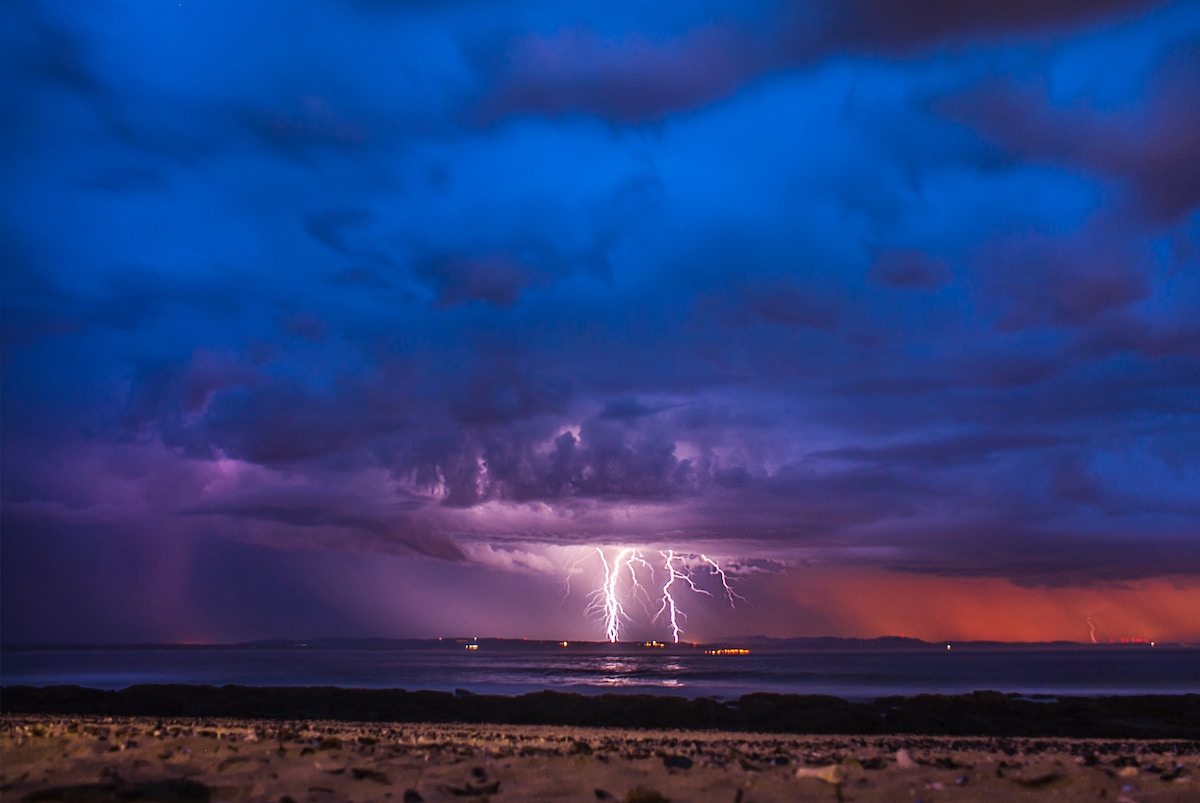
A marine weather forecast tells you what to expect on the water in terms of wind, waves, visibility, and storms. Knowing how to read one helps you decide whether to go out, when to head home, and what gear to bring.
Where to Find a Marine Forecast
In the U.S., the National Weather Service (NWS) issues the official marine forecast for coastal waters, the Great Lakes, and large inland bodies of water.
You can get it several ways:
- NOAA Weather Radio broadcasts
- Weather.gov marine pages
- VHF radio channels
- Marine weather apps that pull NWS data
Look for the maritime weather report for your specific zone. Forecasts are issued by area, so a report for a nearby zone may not match your location.
Understand the Forecast Zone and Time Period
Every marine forecast covers a defined stretch of water. It may be a bay, a sound, a lake, or a coastal strip out to a set distance from shore.
Check that the zone matches where you plan to boat. Then look at the time period: most forecasts break conditions into today, tonight, and the next few days.
Conditions can change fast on the water, so check the forecast again before you leave the dock.

Read the Wind Speed and Direction
Wind is usually the first thing listed in a marine weather forecast. It affects boat handling, comfort, and safety more than almost anything else.
- Wind speed is usually given in knots. One knot is about 1.15 mph.
- Wind direction tells you where the wind is coming from. A “southwest wind” blows from the southwest toward the northeast.
- Gusts are short bursts of stronger wind. A forecast of “10 to 15 knots with gusts to 25” means you should plan for the higher number.
Wind against current can also stack up steeper, choppier waves, even when the wind speed looks modest.
Understand Wave Height and Wave Period
Forecasts usually list seas or waves in feet. This is typically the significant wave height, the average of the highest third of waves. Some individual waves will be larger.
Wave period is the time in seconds between wave crests. It matters as much as height.
- Longer periods (8 seconds or more) mean smoother, rolling swells.
- Shorter periods (under 5 seconds) mean steep, choppy waves that feel rough and can slow a smaller boat.
Know the Warnings and Advisories
Marine forecasts include alerts when conditions become hazardous. Common ones include:
- Small Craft Advisory: Winds or seas are hazardous to small boats. Thresholds vary by region.
- Gale Warning: Sustained winds of 34 to 47 knots.
- Storm Warning: Sustained winds of 48 to 63 knots.
- Hurricane Force Wind Warning: Sustained winds of 64 knots or more.
- Special Marine Warning: Short-term hazards such as severe thunderstorms or waterspouts.
Check Visibility, Fog, and Storms
Look for notes about visibility. Fog, haze, and heavy rain can cut visibility to less than a mile, which makes navigation harder.
Also watch for thunderstorm chances. Storms on the water can bring sudden wind shifts, lightning, and heavy rain. If storms are possible, plan your route near safe harbors.
Read Next: Boating in Foggy Conditions
Match the Forecast to Your Boat and Experience
A forecast is only useful if you compare it to your own limits. A 15-knot wind may be fine for a 30-foot cruiser and miserable for a small skiff or paddleboard.
Before you go, ask yourself:
- Is my boat suited to these waves and wind?
- Will conditions get worse later in the day?
- Do I have a safe place to return if the weather changes?
When in doubt, wait. A canceled trip is easier to recover from than a bad day on the water.
Quick Checklist Before You Leave the Dock
- Confirm the forecast zone
- Check wind speed, direction, and gusts
- Review wave height and period
- Look for advisories and warnings
- Note visibility and storm chances
- Recheck the marine forecast right before departure
- Share your float plan with someone onshore
Marine Weather Forecast FAQs
Q: What is the difference between a marine weather forecast and a regular weather forecast?
A: A regular forecast focuses on conditions on land, such as temperature and rain. A marine weather forecast covers wind speed in knots, wave height and period, visibility, and warnings specific to boaters. It is issued for water zones, not cities.
Q: How often is a marine forecast updated?
A: The NWS typically updates coastal marine forecasts several times a day, often every six hours or more frequently when conditions change.
Q: What wind speed is too high for recreational boating?
A: It depends on your boat. Many small boats should stay in port when a Small Craft Advisory is in effect, which often starts around 20 to 25 knots. Larger boats can handle more, but steep waves and gusts can still make conditions uncomfortable.