Fishing is about more than the fish you catch. Every trip allows you to learn more about the water, weather, techniques and conditions that can affect your success. But those details can be difficult to remember from one trip to the next.
That’s where a fishing journal can help. By keeping a consistent record of your trips, you can build a personal reference that helps you recognize patterns, improve your skills and make better decisions on future outings. A journal can be as simple as a notebook, a spreadsheet, an app or a fishing journal template that you fill out after each trip.
Why Should You Start a Fishing Journal?
1. Identify Patterns Over Time
Fishing conditions can vary significantly from day to day. The following conditions can affect where and when fish are active:
- Water temperature
- Weather
- Wind
- Water clarity
- Tides
- Time of day
Recording these details in a fishing journal allows you to compare trips and look for patterns. You may discover that a particular location consistently produces fish under certain conditions or that a specific technique works better at a particular time of year.
Over time, these observations can become a valuable resource when planning future trips.
Read Next: Types of Fish and Where to Find Them
2. Remember What Worked
It’s easy to remember catching a great fish but forget the details that helped make it happen.
A fishing log gives you a place to record the following details:
- The lure or bait you used
- Where you were fishing
- The depth
- Weather conditions
When you return to the same water months later, you can review your previous entries rather than relying on memory.
It can also be useful to record what didn't work. Knowing which techniques or conditions produced few or no bites can help you avoid repeating the same mistakes.
3. Improve Your Fishing Skills
A journal can turn each trip into a learning experience. Instead of simply remembering whether you caught fish, you can evaluate what you did and how you might approach the next trip differently.
For example, you might notice that changing your retrieve produced more bites or that fish were consistently holding near a particular type of structure. These observations can help you make more informed decisions and become a more confident angler.
4. Create a Personal Fishing Reference
Fishing reports, guidebooks, and online resources can provide useful information, but your own records reflect your experiences and the waters you fish.
After a few seasons, your fishing journal can become a personal reference filled with information about your favorite lakes, rivers, streams or coastal areas. You can review previous trips before heading out and use your own experiences to help plan where to fish and what to bring.
5. Keep a Record of Your Best Catches
A fishing journal isn't only about improving your technique. It can also record memorable days on the water.
Consider recording the species, length, weight, location and time of your notable catches. You can also include a photo or a few notes about the experience. Years later, those entries can help bring favorite fishing trips back to life.
6. Create a Fishing Tradition
A fishing journal can become something you keep for years and eventually share with family or friends. It can document favorite fishing spots, memorable catches, lessons learned and trips taken together.
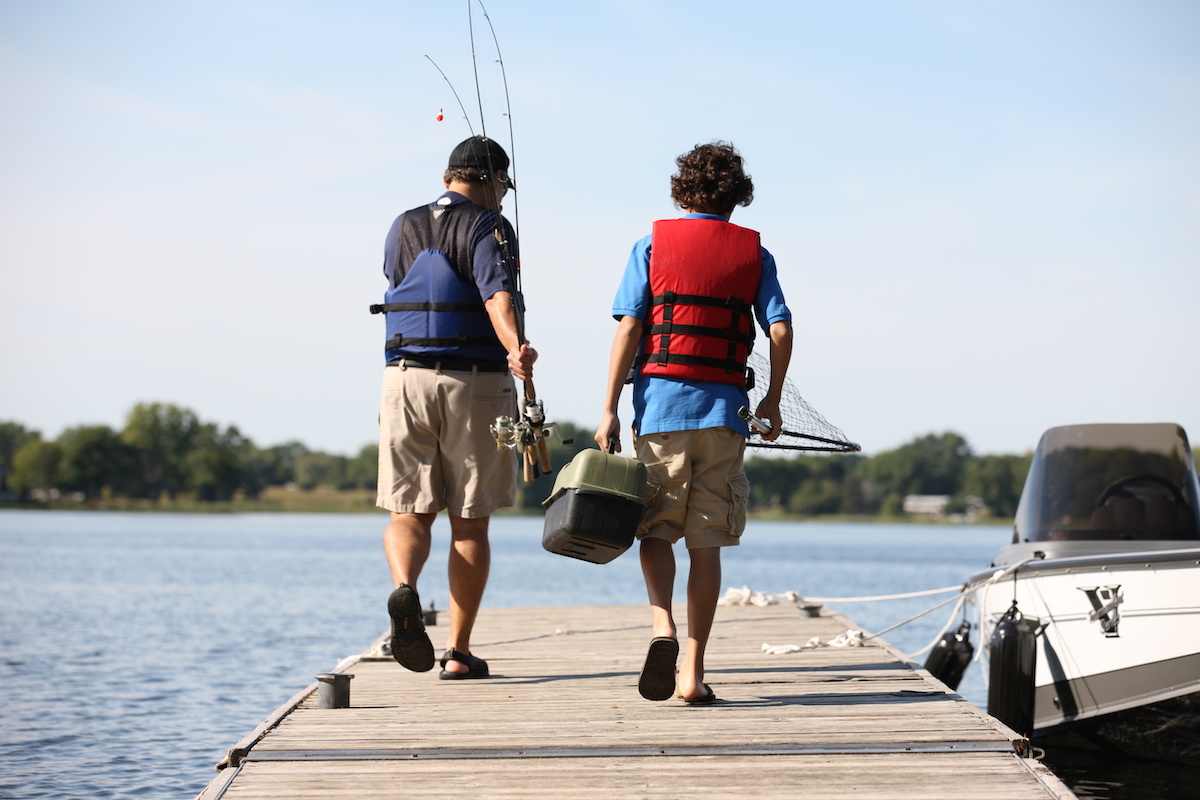
You can even encourage kids to keep their own fishing logs. A simple fishing journal template with space for the date, location, weather, species, bait or lure and notes can make it easy for young anglers to record their experiences.
Read Next: Why Fishing Is Good for Mental Health
What Should You Include in a Fishing Journal?
Your journal doesn't need to be complicated. Start with information you'll actually use, such as:
- Date and time
- Location and body of water
- Weather and wind
- Air and water temperature
- Water clarity or level
- Tide, when applicable
- Species caught and number of fish
- Length or weight
- Bait, lure or fly
- Depth and structure
- Technique or presentation
- What worked and what didn't
- Notes about fish behavior
The most important part is consistency. Even a few minutes of notes after each trip can provide useful information over time.

Start Your Fishing Journal Today
You don't need special equipment to get started. Use a notebook, phone, spreadsheet or fishing journal template that fits the way you fish. The goal isn't to document every detail—it's to capture the information you'll want to remember later
Whether you're a weekend angler, an experienced fisherman or a dedicated fly fisher, keeping a fishing journal can help you learn from every trip and build a record of your time on the water.
Fishing Journal FAQs
Q: What should I include in a fishing journal?
A: A fishing journal should include the date, location, weather, water conditions, species caught, bait or lure, technique and other observations that may help you understand what worked.
Q: Is a fishing log worth keeping if I don't catch anything?
A: Yes. Recording unsuccessful trips can be just as useful as recording successful ones. A complete fishing log gives you more information to compare and can help identify which conditions or techniques were less productive.
Q: What should I record in a fly fishing journal?
A: A fly fishing journal can include the date, location, water conditions, weather, water temperature, insect or hatch activity, flies used, presentation, fish caught and where fish were feeding.