Make every fishing trip safer and smoother with these essential fishing safety tips and must-have boating safety gear. Use the checklist below to prep your crew and your boat so you can focus on tight lines with peace of mind.
Top Fishing Safety Tips:
Follow these tips to enjoy a safe fishing experience:
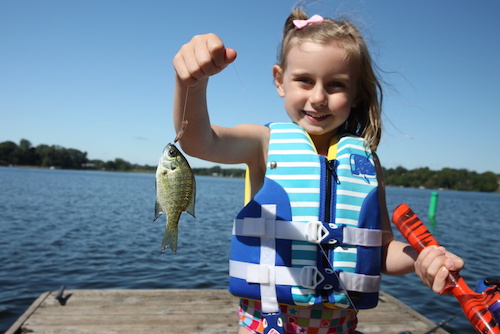
- Wear a life jacket.
- Pack a first aid kit.
- Carry communication and emergency location tools.
- Check weather conditions before launch.
- File a float plan.
- Respect weight limits and deck organization.
- Practice smart hook and knife handling.
- Dress for sun protection and changing temperatures.
- Pack necessary boating safety items.
- Follow engine cut-off and MOB procedures.
- Manage hydration, hunger, and fatigue.
- Handle fuel and batteries with care.
- Plan for cold water safety and re-boarding.
- Keep your boat clean.
- Follow local regulations.
Keep reading to learn more about how to follow these essential fishing tips.
1. Wear A Properly Fitted Life Jacket Every Time
A personal flotation device is the single most effective piece of fishing safety equipment. Choose Coast Guard-approved models that match your activity, weight, and water conditions. Inflatables work well for anglers who cast and move often, while traditional foam vests suit rougher water.
2. Build A Boat-Ready First Aid Kit
Minor cuts and hooks happen. A compact, waterproof first-aid kit should be on every fishing boat. Mark the kit clearly, and tell your crew where it lives.
Learn More About Marine First Aid Kits
3. Carry Communication and Emergency Location Tools
When cell coverage drops, satellite devices bridge the gap. Personal locator beacons and satellite messengers let you signal for help and share coordinates.
Pair them with a loud whistle and a bright signal mirror for close-range alerts. Keep a fully charged handheld VHF radio on board for weather channels, traffic, and hailing assistance.
4. Check Weather Conditions Before You Launch
Safe fishing starts with a forecast. Look at wind speed and direction, wave height, tide swings, and lightning risk. Set a go, hold, or no-go plan for your fishing trip, then stick to it.
On the water, shifting clouds, building chop, or changing wind lines are cues to reassess. If conditions deteriorate, head for safe harbor early.
5. File A Float Plan and Set Return Times
Tell a trusted contact where you’re launching, your route, target area, crew names, and when you expect to return. Share your boat description and registration. If plans change, update your contact. A simple float plan turns hours of searching into minutes if something goes wrong.
6. Respect Weight Limits and Deck Organization
An overloaded boat handles poorly. Know your capacity plate and stay within it. Spread weight evenly, secure coolers and tackle bags, and keep decks clear of loose line. Cluttered decks lead to slips, trips, and accidental overboard incidents.
7. Practice Smart Hook and Knife Handling
Barbed hooks and razor-sharp knives are core fishing gear, but they demand care. Pinch barbs when local rules allow for easier releases and simpler first aid. Cast with awareness, call “heads up” before a backcast, and store spare rods with hook keepers engaged.
 8. Dress For Sun Protection and Changing Temperatures
Sun exposure sneaks up on open water fast. Wear UPF clothing, a wide-brim hat, polarized sunglasses, and neck gaiters. Apply broad-spectrum sunscreen and reapply on a schedule. Pack a light insulating layer and a waterproof shell.
Read Next: Sun Safety Tips for Boaters
9. Stock Mandated and Smart Boat Safety Items
Many items are required to carry, and many more are simply wise. At a minimum, outfit your fishing boat with life jackets, throwable flotation, a sound-producing device, navigation lights, visual distress signals, and a horn or whistle.
Add fire extinguishers rated for marine use, a manual bilge pump, spare fuses, an extra fuel line, basic tools, and duct tape. Remember to label storage so guests can find gear fast.
10. Know Your Engine Cut-Off and MOB Procedures
Use the engine cut-off switch lanyard or wireless fob. If someone falls overboard, shout “man overboard,” keep eyes on the person, press MOB on your GPS if available, throw a flotation device, and approach from downwind at idle. Practice this drill so that each crew member knows their role.
11. Manage Hydration, Hunger, and Fatigue
Dehydration and low energy slow reaction times. Bring ample water, electrolytes, and simple snacks. Rotate the helm on longer runs, take shade breaks, and keep a small cooler within reach so the driver stays alert.
12. Handle Fuel and Batteries With Care
Before fueling, shut off engines, extinguish open flames, and ask guests to step ashore. After fueling, open the engine compartment, smell for vapors, and run the blower for at least four minutes.
For battery safety, secure terminals with covers, check connections, and carry spare fuses. Fire extinguishers should be accessible and inspected on schedule.
13. Plan For Cold Water Safety and Re-boarding
Cold water steals heat quickly. In shoulder seasons, wear a flotation aid with thermal protection or carry a thermal liner. Rig a re-boarding ladder or a simple looped line at the stern so a tired angler can climb back aboard without help. Practice using it.
14. Keep Your Boat Clean
Dispose of line, leaders, and packaging in a closed container. Crushed hooks and trimmings should be placed in a separate jar. A tidy boat reduces trip hazards, protects wildlife, and supports safe fishing habits your crew will follow.
15. Know Local Boating Rules, Access and No-Wake Zones
Fishing safely includes knowing where you can travel, the speed limits near ramps, and seasonal restrictions. Review charts, no-wake zones, and launch etiquette. Courteous boat handling prevents accidents and keeps access open for everyone. If you’re due for formal training, browse boating safety courses.
Learn more fishing safety tips in the video below:
Quick Gear Checklist: Fishing Safety Equipment
- Coast Guard-approved, properly fitted life jackets for all aboard
- Throwable flotation device
- First aid kit in a waterproof case
- Personal locator beacons or satellite messengers
- Handheld VHF radio with weather channels
- Whistle, horn, and signal mirror
- Visual distress signals, day and night
- Fire extinguishers, bilge pump, spare fuses, basic tools
- Engine cut-off lanyard or wireless fob
- Re-boarding ladder or looped line
- UPF clothing, hat, sunglasses, sunscreen, hydration
- Dry bags for layers, phones, and keys
- Tackle management and cut-resistant gloves
Always Follow These Fishing Safety Tips
Safe fishing is a habit you build before you leave the dock. Prioritize preparation, download your fishing apps, carry the proper safety gear, and communicate your plan. With these fishing safety tips in place, you protect your crew, your boat, and your day on the water — and set yourself up for memorable catches with confidence.
Read Next: Boating Safety Guide
Common Fishing Pitfalls to Avoid
Safety isn’t just about what you do—it’s also about what you don’t do. Avoiding these common mistakes will also protect your crew, preserve your gear, and may even help improve your catch.
- Snagging your line on a rock—Scan for rocks and submerged obstacles before casting.
- Hooking yourself or a buddy—Keep a safe distance between anglers and call out before backcasting.
- Dropping gear overboard—Tether rods and valuables. Wet hands and rocking decks are a costly combo.
- Moving too fast—Sudden shifts in weight can destabilize a smaller vessel or cause a slip on a wet deck.
- Tangled lines—Set up casting zones and reel in before moving.
- Forgetting to check your drag—Do it before you hook a fish. A drag that’s too tight can break your line or throw you off balance.
Fishing Safety FAQs
Q: What safety gear is required on a fishing boat?
A: Most states require life jackets, a throwable flotation device, navigation lights, sound signals, and visual distress signals. Many anglers also add VHF radios, first-aid kits, and locator beacons for extra protection.
Q: What is the safest life jacket for fishing?
A: Look for Coast Guard-approved life jacket that fit your weight, activity, and local conditions.
Q: What should a float plan include?
A: Launch location, route, crew names, boat description, and your return time. Share it with someone you trust and update them if plans change.
This article and video are sponsored by Progressive