Every angler who fishes from a boat eventually asks the same question: should I drift or drop the anchor? Both methods put bait in front of fish, but they work differently. Drift fishing covers water. Anchor fishing makes the fish come to you.
Knowing when to use each approach can turn a slow day into a full cooler. This guide breaks down how drift fishing and anchor fishing work, where each one shines and how to choose the right method for your trip.
What Is Drift Fishing?
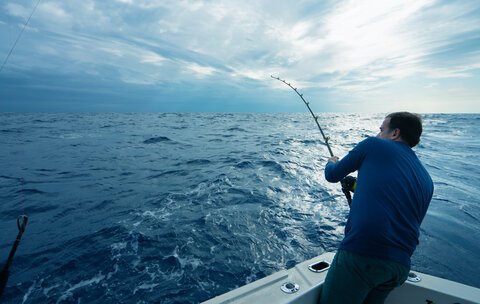
Drift fishing means letting wind, current or both carry your boat across the water while your lines are out. Instead of staying in one place, you move slowly through a fishing zone and cover a lot of ground.
A typical drift starts with positioning the boat upwind or up-current of a target area. You shut off the engine, let the boat glide through and fish as you go. Baits bounce along the bottom or hang at a set depth. When you reach the end of the zone, or hook up, you run back and drift again.
Many anglers also use the term drift boat fishing. On rivers, it often refers to fishing from a dedicated drift boat, such as a dory, that floats downstream while an oarsman controls speed and position. On bays, lakes and the open ocean, it simply means drifting in any boat. The idea is the same: the boat moves with the water, and your bait moves naturally with it.
Drift fishing works well for fish that roam or hold over wide, open structure. Popular targets include flounder, fluke, halibut, redfish, speckled trout, walleye, striped bass and kingfish.
What Is Anchor Fishing?
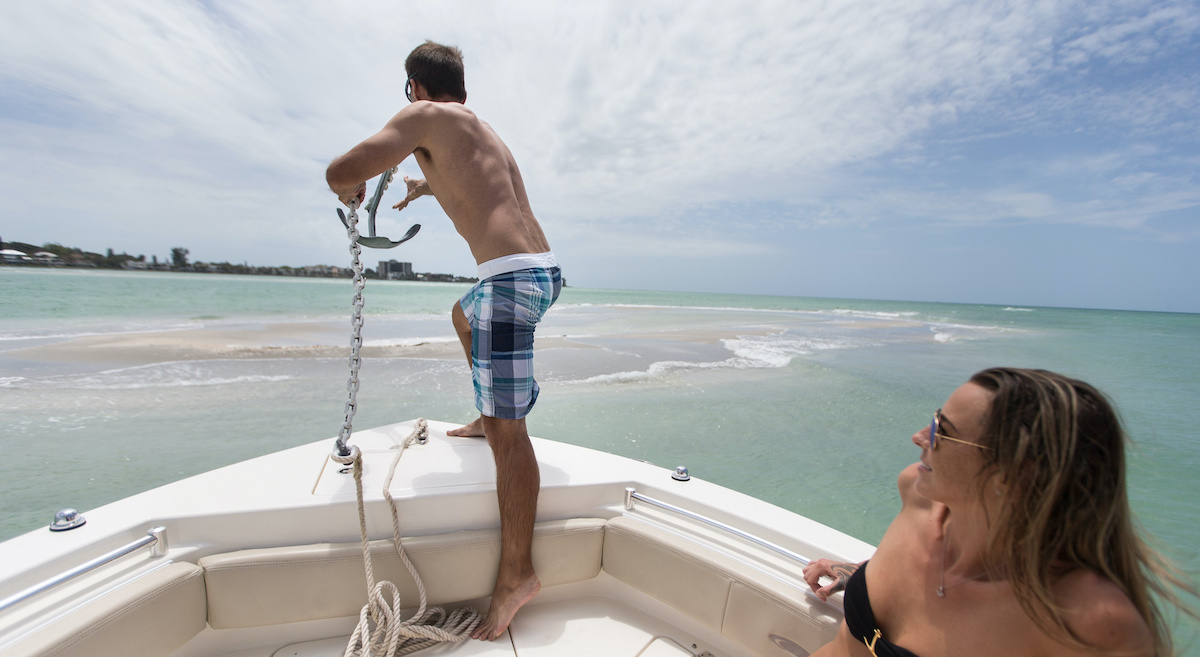
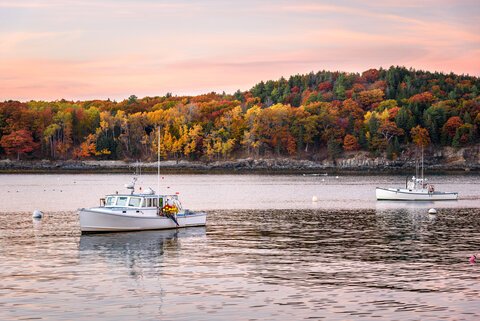
Anchor fishing means setting your anchor and holding the boat over a specific spot. You stay put and let the fish find you, often with help from chum, cut bait or live bait.
This method shines over fixed structure. Reefs, wrecks, ledges, bridge pilings, channel edges and underwater humps all hold fish that stay close to cover. Once you are anchored on top of them, you can put baits right where fish live.
Common anchor fishing targets include snapper, grouper, sea bass, sheepshead, tautog, catfish and crappie. Many bottom-dwelling and structure-oriented species respond well to a stationary boat and a steady scent trail.
Drift Fishing vs. Anchor Fishing: Key Differences
Here is how the two styles compare at a glance:
- Coverage: Drifting covers a lot of water. Anchoring concentrates on one spot.
- Best for: Drifting finds scattered or roaming fish. Anchoring targets fish holding on structure.
- Bait presentation: Drifting keeps bait moving naturally. Anchoring keeps bait in a fixed strike zone.
- Chumming: Chum works far better when you are anchored, because the scent trail stays in one line.
- Boat handling: Drifting takes more attention to wind, current and positioning. Anchoring takes more attention to setting and retrieving the anchor.
- Pace: Drifting is active and constantly changing. Anchoring is slower and more patient.
Pros and Cons of Drift Fishing
The biggest advantage of drift fishing is search ability. If you don't know exactly where the fish are, drifting lets you sample a lot of bottom and depth in a short time. It also keeps your presentation natural, which matters for finicky fish.
Drifting is also easier on structure. You are not dragging an anchor across a reef or wreck, and you can leave a spot quickly if it is not producing.
The downsides are real. Wind and current can push you too fast, and your lines may tangle or snag if the drift is off. Fishing around other boats can get crowded. You also have to keep repositioning, which burns fuel and time.
Pros and Cons of Anchor Fishing
Anchoring gives you control. Once you are set on a productive spot, you can keep fishing it with minimal effort. It is a great choice for families, beginners and anyone who wants a relaxed day on the water.
Chumming is where anchoring really pays off. A good chum slick can pull fish up from the structure and into your baits.
The trade-offs include less coverage and more risk of getting stuck. If the fish are not on your spot, you may sit all day with nothing to show for it. Anchors can also snag on rocks, wrecks, or debris, and strong current or wind makes setup more difficult.
When to Choose Drift Fishing
Drift fishing is usually the better pick in these situations:
- You are searching for fish and do not know where they are holding.
- The bottom is sandy, flat or broad, such as a bay flat or a large shoal.
- The target species roams and feeds on moving prey.
- Wind or current gives you a steady, controlled drift speed.
- Fish are scattered and the bite is hard to find.
A drift sock, also called a sea anchor, can slow the boat in a strong wind so your baits stay in the strike zone longer. A trolling motor can also help you steer and hold a good drift line.
When to Choose Anchor Fishing
Anchor fishing is usually the better pick in these situations:
- You know a productive reef, wreck, ledge or piling.
- The species you want holds tight to structure.
- You plan to chum or fish with live bait.
- Conditions are calm enough to anchor safely.
- You want a stable platform for kids or newer anglers.
Tips for Getting the Most Out of Each Method
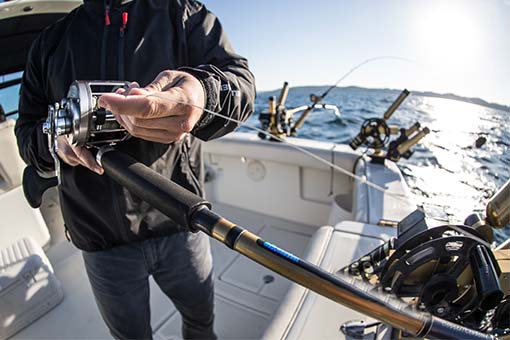
For drift fishing, plan your drift before you start. Check the wind and current, then position the boat so you pass over your target zone. Use enough weight to keep your bait near the bottom, and take note of your line angle so you know when to add or remove weight.
For anchor fishing, approach the spot from up-current and let the anchor set firmly before you start fishing. Make sure you have enough anchor line, called rode, for the depth. A good rule is to let out several feet of line for every foot of water depth. Mark your position on your GPS so you can find the spot again.
Safety Considerations
Safety should always come first on the water. When anchoring, never tie the anchor line to the stern in current or waves, since the boat can swamp. Also, always attach the line to the bow.
When drifting, stay clear of shipping channels, busy boat lanes and shallow hazards. Keep an eye on the weather, since wind can change your drift quickly. Wear a life jacket whichever method you choose.
The Bottom Line
Drift fishing and anchor fishing are both proven ways to catch fish from a boat. Drift when you need to find fish or when the species you want moves around. Anchor when you know where the fish are or want to build a chum slick. Keep both techniques in your toolbox, and you will be ready for whatever the water gives you.
Frequently Asked Questions
Q: Is drift fishing better than anchor fishing?
A: Neither method is better in every case. Drift fishing is better for covering water and finding fish. Anchor fishing is better when you already know where fish are holding, especially around structure or when you plan to chum.
Q: What is drift boat fishing?
A: Drift boat fishing usually refers to fishing from a boat that floats with the current. On rivers, it often means a specialized drift boat, such as a dory, that is rowed downstream. On open water, anglers use the term more broadly to describe any boat that moves with the wind or current while lines are out.
Q: Can you drift fish and anchor fish in the same day?
A: Yes, and many anglers do. A common approach is to start by drifting to locate fish, then anchor up once you find a productive spot. Switching styles lets you search first and settle in once you find the bite.