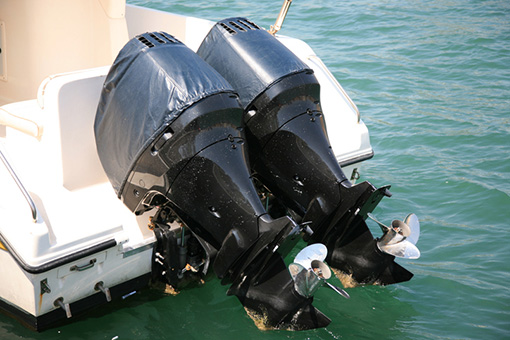
If you spend time boating along the coast, you may encounter brackish water without even realizing it. Where freshwater and saltwater mix, brackish water is common in estuaries, bays, and other coastal waterways. Its salt content can vary considerably depending on tides, rainfall and freshwater flow.
So, can you go boating in brackish water? In most cases, yes. Most boats can operate in this water, but the salt content means you'll want to pay closer attention to cleaning and maintenance than you would when boating exclusively in fresh water.
What Is Brackish Water?
Brackish water contains more salt than fresh water but less than seawater. It commonly occurs where freshwater rivers and streams flow into coastal areas, creating a mixture of fresh and saltwater.
The amount of salt in brackish water can vary considerably depending on factors such as tides, rainfall, freshwater flow and location. Salinity is often measured in parts per thousand (ppt). Fresh water generally contains less than 0.5 ppt of dissolved salts, while seawater averages around 35 ppt. Brackish water falls between those levels.
Because salinity can change depending on conditions, the water in a particular boating area may not always have the same characteristics.
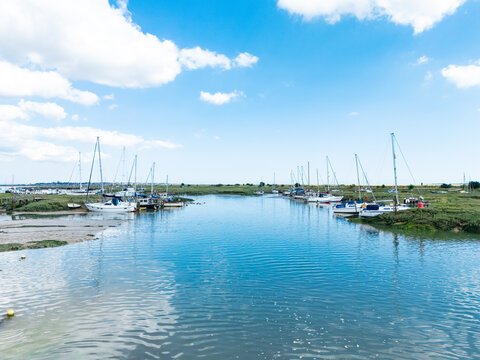
Can You Go Boating in Brackish Water?
Yes. Boating in brackish water is common, and most boats can operate in it without a problem. You don't necessarily need a special boat just because you're boating in these waters.
That said, brackish water can be more corrosive than fresh water because of its salt content. If you regularly move between fresh and saltwater, it's a good idea to follow maintenance practices appropriate for saltwater use.
Your boat's specific materials and systems also matter. A saltwater boat or one with corrosion-resistant components may be better suited to frequent use in brackish or saltwater. However, any boat can require additional care when exposed to salt.
How Does Brackish Water Affect Your Boat?
The biggest concern when boating in brackish water is corrosion. Salt can contribute to corrosion on metal components, electrical connections, hardware and other parts of your boat.
How quickly corrosion develops depends on several factors, including the water's salinity, how frequently you use the boat and how well you maintain it.
Brackish water can also support marine growth, particularly in warmer areas. Keeping your boat clean and following the manufacturer's maintenance recommendations can help reduce potential problems.
How to Protect Your Boat from Saltwater Corrosion
Tips for Boating in Brackish Water
If you're planning to spend time in brackish water, a few basic maintenance habits can help protect your boat.
Rinse your boat after use: If your boat has been in brackish or salt water, rinse exposed surfaces and components with fresh water. Pay attention to areas where salt or mineral deposits can accumulate.
Flush your engine as recommended: Follow the engine manufacturer's instructions for flushing the cooling system after operating in brackish or salt water. Not every engine has the same flushing requirements, so use the recommended procedure for your specific model.
Inspect metal components: Regularly check hardware, fittings, electrical connections and other metal parts for signs of corrosion or deterioration.
Check your anodes: Sacrificial anodes help protect underwater metal components from corrosion. Inspect them regularly and replace them when necessary, following your manufacturer's recommendations.
Stay on top of routine maintenance: If you frequently boat in brackish water, make it part of your normal maintenance routine. Your owner's manual and engine manufacturer's recommendations should be your primary guides.
Can a Freshwater Boat Be Used in Brackish Water?
In many cases, yes. A boat designed primarily for freshwater can generally be used in brackish water, but it may require extra care.
For example, if you typically use your boat on a freshwater lake but take it to an estuary for a weekend, rinse and flush the appropriate components afterward. If you plan to use the boat regularly in brackish or salt water, talk with your dealer or manufacturer about whether any additional maintenance is recommended.
Frequently Asked Questions
Q: Is brackish water bad for boats?
A: Brackish water isn't necessarily bad for boats, but its salt content can increase the risk of corrosion compared with fresh water. Regular rinsing, engine care and inspections can help protect your boat.
Q: Do you need a special boat for brackish water?
A: No. Most boats can be used in brackish water. However, boats and components designed for saltwater use may offer additional corrosion protection. Check your boat manufacturer's recommendations for your specific model.
Q: Should you rinse your boat after boating in brackish water?
A: Yes. Rinsing your boat with fresh water after boating in brackish or salt water can help remove salt and other deposits. Follow your owner's manual and engine manufacturer's instructions for cleaning and flushing specific components.
Brackish water environments can offer excellent opportunities for cruising, fishing and exploring coastal waterways. With proper preparation and regular maintenance, you can enjoy boating in brackish water while helping protect your boat.