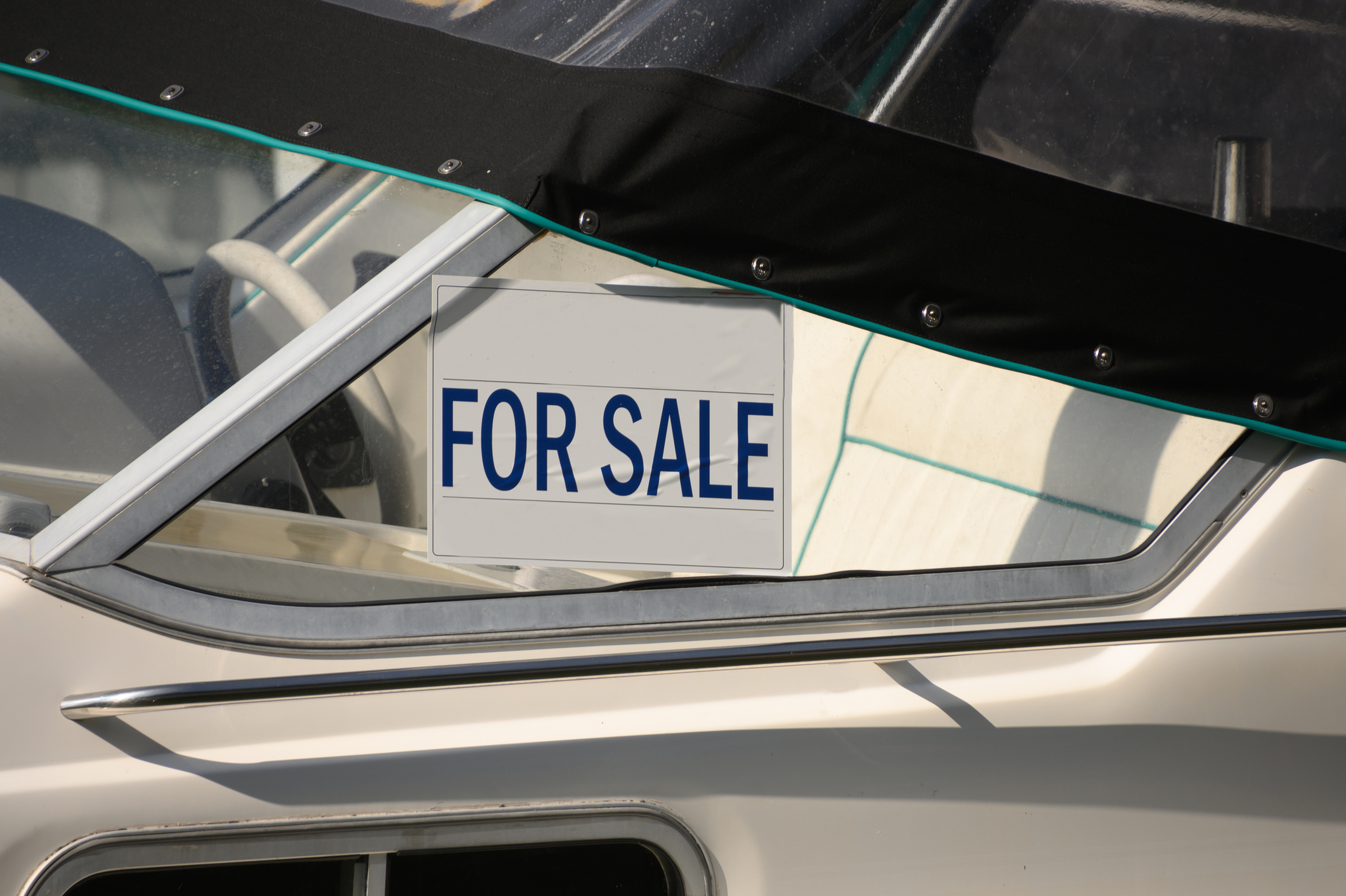
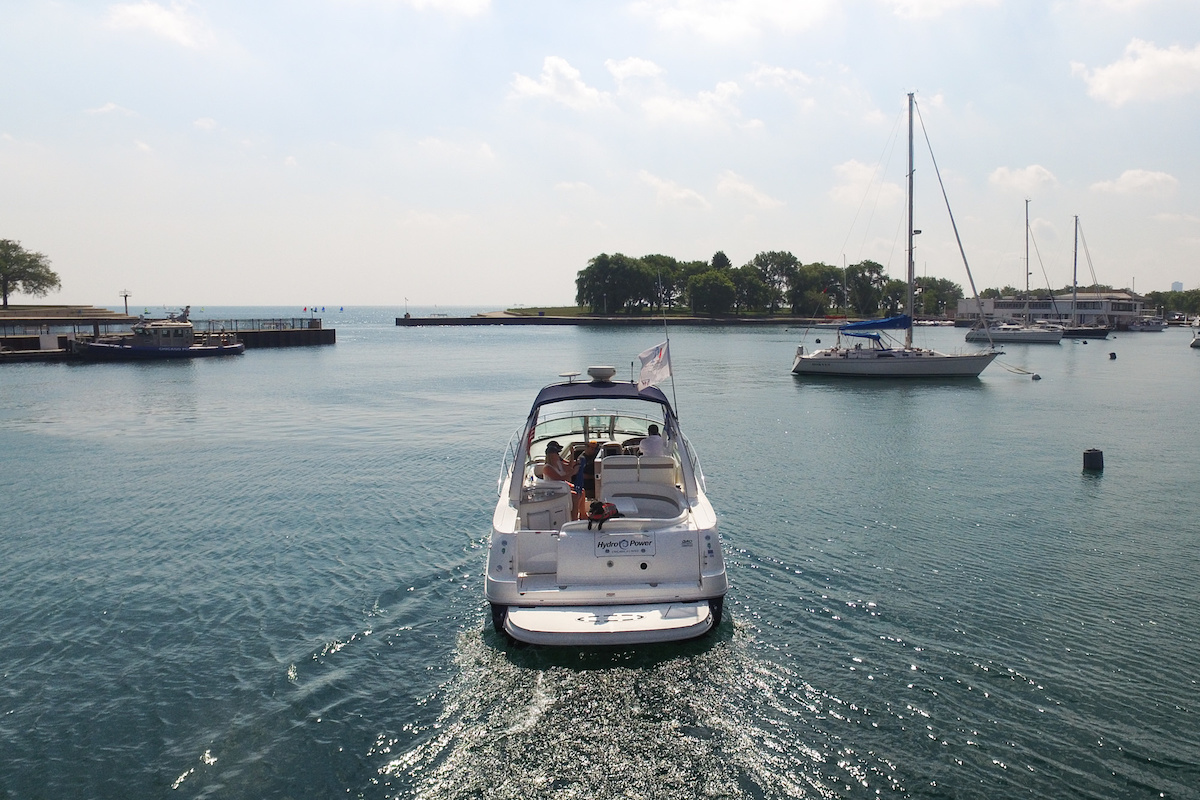
If you're wondering, “How much is my boat worth?”, several factors can affect its current market value. Boat value depends on the boat's make, model, age, condition, engine, equipment, location, and current demand.
Whether you're planning to sell, trade in, or insure your boat, understanding its value can help you make a more informed decision.
How Much Is My Boat Worth?
The best way to determine your boat's value is to compare it with similar boats currently for sale and consult reputable boat valuation resources. A boat's original purchase price is not necessarily a good indicator of its current worth because depreciation, condition, and market demand can significantly affect value.
When determining boat value, consider:
- Make and model: Popular brands and models with strong resale demand may retain their value better.
- Age: Like cars, most boats depreciate as they get older, although well-maintained or desirable models can hold their value.
- Condition: A boat that is clean, well-maintained, and free of major mechanical or cosmetic problems generally has a higher value.
- Engine: Engine type, horsepower, hours, and maintenance history can impact value.
- Equipment and upgrades: Electronics, trolling motors, trailers, fishing equipment, and other desirable additions may increase a boat's appeal.
- Location: Boat prices can vary by region based on climate, boating season, demand, and the types of boats commonly used in the area.
- Current market demand: Supply and demand can influence what buyers are willing to pay at a particular time.

How to Determine Boat Value
To find out boat value, start by identifying your boat's exact year, make, model, and engine specifications. Then research comparable boats for sale in your area. Look for boats with similar age, condition, engine hours, and equipment.
Boat valuation guides can also provide useful estimates based on available market data. Keep in mind that an estimated value is a starting point—not necessarily the exact price you will receive when selling your boat.
You should also distinguish between asking price and selling price. A boat listed for $30,000 may ultimately sell for less depending on its condition, market demand, and negotiations.
How to Increase Your Boat's Value
If you're preparing to sell, relatively simple improvements can make your boat more appealing to buyers. Clean the interior and exterior, address obvious maintenance issues, organize service records, and make sure included equipment is working properly.
Avoid assuming that every upgrade will increase your boat's value by the amount you spent. Instead, prioritize maintenance and features that make the boat easier to buy and use.
Understanding Your Boat's Value
So, how much is my boat worth? The answer depends on its age, condition, equipment, engine, location, and current market demand. Researching comparable boats and using reputable valuation resources can help you establish a realistic range before you sell, trade, or make another decision involving your boat.
Q: How do I find out what my boat is worth?
A: To determine boat value, research comparable boats with the same or similar make, model, year, engine, and equipment. You can also use reputable boat valuation guides to establish an estimated range.
Q: Does boat value decrease with age?
A: Generally, boats depreciate as they age, but depreciation varies by make, model, condition, and demand. Proper maintenance and desirable features can help a boat retain more of its value.
Q: Do boat upgrades increase its value?
A: Some upgrades can make a boat more attractive to buyers, but they do not always increase its value by the full amount spent. Well-maintained equipment and desirable features may improve marketability and help support a higher selling price.