If you’re ready to buy a boat online, you have more listings, photos, reviews, tools, and dealer resources at your fingertips than ever before. That access is helpful, but it can also make the search feel overwhelming if you’re new to boat buying.
How Do You Shop for a Boat Online with Confidence?
The best way to shop for a boat online is to start with how you’ll use the boat. Boats are built for different activities, water conditions, and comfort levels. Fishing boats, pontoons, deck boats, and cruisers may all look appealing online, but each creates a different kind of day on the water.
Start by asking:
- How many people will usually be on board?
- How will you use the boat?
- Do you need open deck space, shade, storage, or extra seating?
- Will you boat on lakes, rivers, bays, or coastal waters?
- Do you want a trailerable boat?
- Will you handle basic maintenance yourself or use a boating center?
This step helps you avoid shopping by photos alone. A boat can look great online and still be wrong for your plans. Discover Boating’s Boat Finder can help narrow your options based on how you want to spend time on the water.
How Do I Know What Type of Boat Is Best for Me?
Finding the right boat depends on your main activity and how flexible you need the layout to be:
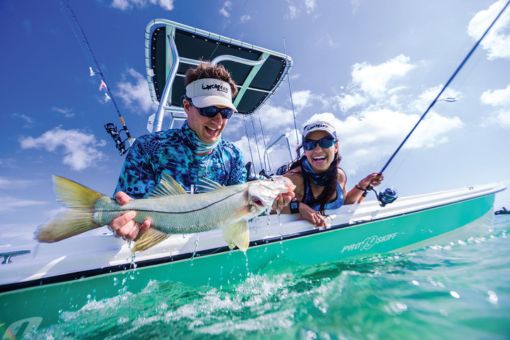
- If fishing is your priority, compare fishing boats with rod storage, livewells, open casting areas, and electronics compatibility.
- If your family wants comfortable seating and easy movement on board, pontoons are often a strong fit.
Think about your second and third uses, too. Many first-time buyers focus on one activity, then later realize they also want more shade, extra storage, or more seating for guests. Once you rule out boat types that don’t fit your plans, the rest of the search becomes much easier.
How Do I Determine My Boating Budget?
Your budget should include more than the listing price. Common costs include the purchase price, down payment, monthly loan payment, insurance, registration, taxes, storage or marina fees, fuel, maintenance, safety gear, and accessories.
For financing research, a boat loan calculator can help you estimate monthly payments and compare price points before contacting a lender or dealer.
Is It Better to Buy from a Dealer or a Private Seller?
Dealers and private sellers can both be good options, but the buying experience is different.
Buying from a dealer can be helpful for first-time buyers because dealers often provide financing support, warranty information, trade-in options, delivery guidance, and service access after the sale.
Buying from a private seller may offer a lower price, but you’ll usually handle more of the verification process yourself. That includes confirming ownership, reviewing maintenance records, arranging inspections, and managing paperwork correctly.
| Buying Option | Best For | Watch For |
|---|---|---|
| Dealer | Buyers who want guidance, financing help, and service access | Fees, warranty terms, pricing, and delivery details |
| Private Seller | Buyers comfortable asking detailed questions | Ownership, title, condition, and service history |
| Online Marketplace | Buyers comparing many options quickly | Scams, vague listings, and unrealistic prices |
If you’re new to boat buying, a dealer can make the process feel more supported. If you choose a private seller, plan to do extra research before making any payment.
How Can I Evaluate Boat Listings for Quality and Value?
A good listing should give you enough information to compare the boat fairly against similar options.
Look for:
- clear photos
- year, make & model
- engine details
- hull condition
- seating and flooring condition
- trailer details
- maintenance records
- recent service history
- electronics, accessories, and upgrades
- reason for selling
Photos should show all the aspects of the boat and any visible wear. If a listing only includes a few blurry images, ask for more before moving forward. Compare similar boats by price, condition, specs, and included equipment.
What Red Flags Should I Watch for When Buying a Boat Online?
Most online boat listings are legitimate, but first-time buyers should know when to slow down or walk away. Be cautious when a listing feels rushed, incomplete, or unusually cheap compared with similar boats.
Watch out for:
- Blurry or limited photos
- Missing specs
- Vague condition descriptions
- No engine hours listed
- Prices that seem too good to be true
- Sellers who avoid phone or video conversations
- Pressure to send a deposit quickly
- Refusal to provide documentation
- Details that change between the listing and seller messages
- No title or unclear ownership history
A trustworthy seller should be willing to answer questions, provide more photos, share documentation, and discuss reasonable next steps.
How Can I Vet a Boat Remotely Before Seeing It?
Remote vetting helps you decide if a boat is worth an in-person visit, sea trial, or survey. Start by confirming that the seller is legitimate and that the boat details match the listing.
Ask for the hull identification number, title or ownership documentation, registration details, maintenance records, engine service history, additional photos or a video walkthrough, trailer title or registration if included, and a written list of known issues.
Check that the hull identification number, title details, registration information, and seller name line up. If anything doesn’t match, pause the process and ask for clarification before scheduling a visit or sending money.
For higher-value used boats, consider hiring a marine surveyor before purchase. A survey can identify structural, mechanical, electrical, or safety concerns that may not be obvious in photos.
What Financing Options Are Available for Purchasing a Boat Online?
Boat financing may be available through dealers, banks, credit unions, marine lenders, or online lending platforms. Terms can vary based on the boat’s age, condition, price, and your credit profile.
Before choosing financing, compare interest rate, loan term, down payment, monthly payment, fees, early payoff rules, insurance requirements, and new versus used boat restrictions. These details shape your total boat cost after the purchase.
If you’re working with a dealer, ask about available financing, but compare outside lenders, too.
What Are the Next Steps After I Find a Boat I Want?
Once you find a promising boat, take the process one step at a time. Contact the seller or dealer with specific questions, request missing photos or service records, compare the price with similar listings, and schedule an in-person visit or video walkthrough.
When possible, arrange a test run to see how the boat performs on the water, including ride comfort, steering, engine performance, noise, electronics, and overall feel. For used or higher-value boats, consider a marine survey before purchase.
Before making payment, review financing and insurance, confirm title and registration details, and get all agreements in writing.
What Online Boat Shopping Mistakes Should I Avoid?
Online boat shopping can save time, but it can also make it easy to move too quickly. Avoid these common mistakes:
- Shopping before you know your main use
- Comparing boats by price alone
- Ignoring total ownership costs
- Skipping brand and dealer research
- Trusting vague listings
- Sending money before verifying documents
- Skipping a sea trial when one is available
- Forgetting about storage, service, and transportation
- Buying more boat than you’re comfortable handling
When you shop for a boat online, the goal is to narrow your options with confidence before you step on board. The more you compare before you visit, the more confident you’ll feel when it’s time to choose the right boat.
FAQs: Buying a Boat Online
Q: How Can I Shop for a Boat Online Effectively?
A: Start by defining how you’ll use the boat, then compare options. Use tools like Discover Boating’s Boat Finder, review listings carefully, watch for red flags, and verify documents before making a deposit or purchase.
Q: What Should I Look for When Reading Online Boat Reviews?
A: Look for repeated comments about any issues and general owner satisfaction. One review may reflect personal preference, but patterns across multiple reviews can show how a boat performs for real owners.
How Can I Compare Boats Online to Find the Best One for Me?
Compare boats by intended use, passenger capacity, engine details, condition, maintenance history, included equipment, trailer availability, and total cost. The best boat is the one that fits your activities, budget, storage plans, and comfort level as a new owner.