Time on the water is hard to beat. But conditions change fast, and being ready can make the difference between a scare and a serious situation.
This guide covers the essentials of boating emergency preparedness: the gear to carry, the plans to make and the steps to take when something goes wrong.
Why Boating Emergency Preparedness Matters
Help is rarely close on the water. Cell service can be spotty, weather can shift quickly and rescue crews may take time to reach you.
Preparation gives you three things:
- Faster response when seconds count
- More confidence for you and your passengers
- Better outcomes for everyone on board
Boat Safety Equipment Checklist
Requirements vary by boat size, type and state, so check your local regulations. This boat safety equipment checklist covers the basics.
Must-have gear:
- Life jackets: One properly fitted, U.S. Coast Guard-approved life jacket for every person on board
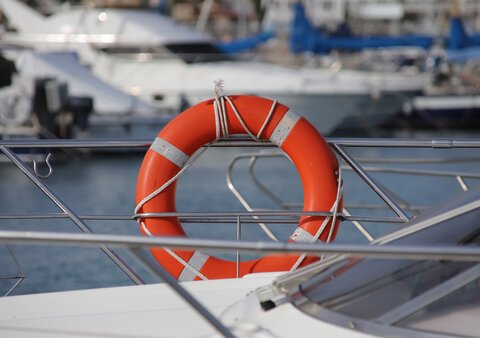
- Throwable flotation device: A cushion or ring buoy within easy reach
- Fire extinguisher: Marine-rated, charged and easy to access
- Visual distress signals: Flares, signal flags or an electronic distress light
- Sound signaling device: A horn or whistle
- Navigation lights: Working and tested before every night outing
- Anchor and line: Enough to hold your position if the engine fails
Build a Boating Emergency Kit
A well-stocked boating emergency kit should live on board all season. Store it in a waterproof, clearly marked container.
What to pack:
- Marine first aid kit
- Flashlight and extra batteries
- Waterproof VHF radio or handheld backup
- Portable phone charger or power bank
- Bailing bucket or manual bilge pump
- Basic tool kit and spare fuses
- Extra drinking water and non-perishable snacks
- Sunscreen, sunglasses and rain gear
- Paddle or oar
- Waterproof copy of your boat registration and insurance
File a Float Plan Before You Go
A float plan tells someone on shore where you’re going and when you’ll be back. It takes about five minutes and could save your life.
Include:
- Boat name, type, registration number and color
- Number of people on board
- Planned route and destination
- Departure and return times
- Emergency contact numbers
- Safety gear and communication devices on board
Leave it with a friend, family member or marina. Update them when you return.
Read Next: How to File a Float Plan
What to Do in a Boating Emergency
Stay calm and act in order. Here’s how to handle the most common situations.
Man Overboard
- Shout “Man overboard!” and point at the person
- Throw a flotation device immediately
- Keep eyes on them at all times
- Slow the boat and turn back carefully, approaching from downwind
- Shut off the engine before pulling them aboard
- Call for help if you can’t recover them quickly
Boat Taking on Water
- Put life jackets on everyone
- Find the source of the leak if safe to do so
- Start the bilge pump and bail manually if needed
- Call for help on VHF channel 16 and give your location
- Stay with the boat if it’s floating. It’s easier to spot than a swimmer.
Fire on Board
- Stop the boat and turn it so the wind carries flames away from passengers
- Put on life jackets
- Use your fire extinguisher, aiming at the base of the flames
- Shut off fuel sources if you can do so safely
- Call for help immediately
Engine Failure or Running Aground
- Drop anchor if drifting toward hazards
- Check fuel, battery connections and kill switch lanyard
- Call for assistance if you can’t restart
- Avoid trying to power off a grounding without assessing damage
Severe Weather
- Head to shore early at the first sign of storms
- Reduce speed and keep everyone seated and low
- Put on life jackets
- Close hatches and secure loose gear
- Check marine forecasts before and during your outing
How to Call for Help on the Water
Know how to reach rescuers before you need them.
- VHF radio: Switch to channel 16, say “Mayday” three times, then give your boat name, location, the nature of the emergency and the number of people on board
- Phone: Call 911 or your local marine rescue line if you have service
- Distress signals: Use flares, flags or lights when radio contact isn’t possible
- Know your position: Learn how to read your GPS coordinates before you leave the dock
Brief Passengers Before You Leave the Dock
Everyone on board should know the basics. Take two minutes before departure to show:
- Where life jackets are stored
- Where the fire extinguisher and first aid kit are
- How to use the VHF radio in an emergency
- How to shut off the engine
- What to do if someone falls overboard
Pre-Departure Safety Check
Run through this quick list every time:
- Fuel level and engine condition
- Battery charge and bilge pump operation
- Life jackets in good shape and the right sizes
- Flares and fire extinguisher within expiration dates
- Weather and water conditions
- Float plan filed
Frequently Asked Questions
Q: What should be in a boating emergency kit?
A: A boating emergency kit should include a marine first aid kit, flashlight with extra batteries, a handheld VHF radio, a portable phone charger, a bailing bucket or manual pump, basic tools, drinking water and snacks. Add visual distress signals, rain gear and copies of your boat documents in a waterproof container.
Q: What is the first thing to do in a boating emergency?
A: First, make sure everyone is wearing a life jacket and stay calm. Then address the immediate danger, such as stopping the boat for a fire or turning back for a man overboard. Once the situation is under control, call for help on VHF channel 16 or 911 and share your location, the nature of the emergency and the number of people on board.
Q: Do I need a float plan every time I go boating?
A: A float plan isn’t legally required in most places, but it’s strongly recommended for every trip, even short ones. It gives a trusted person the details rescuers need to find you quickly if you don’t return on time.

