If you keep your boat in the water during the boating season, there will come a time when you need to get it out. Whether you’re preparing for winter, completing maintenance, or moving your boat, a boat haul out is an important part of boat ownership.
But what exactly is a boat haul out, and when should you do it? Understanding the boat hauling process can help you plan, protect your boat and avoid unexpected costs.
What Is a Boat Haul Out?
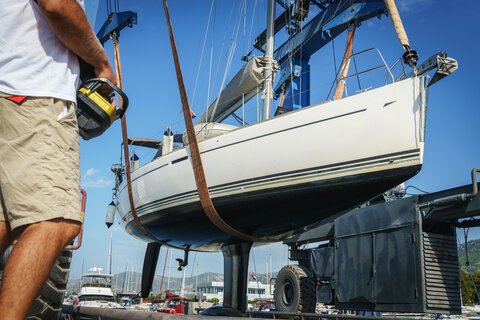
A boat haul out is the process of removing a boat from the water and placing it on land. This is typically done using a boatyard travel lift, crane, hydraulic trailer or other specialized equipment.
Once the boat is out of the water, technicians or boat owners can access areas that normally remain submerged, including the boat’s hull, propeller, rudder, shafts, thru-hulls and other underwater components.
Boat hauling is commonly performed at marinas, boatyards and marine service facilities. Depending on the size and type of boat, the facility will use equipment designed to safely support the vessel while it is out of the water.
A haul out may be scheduled for a few hours or days of maintenance, or it may be the first step in seasonal storage. If you’re storing your boat on land for the winter, the haul out may also be part of the facility’s winterization and storage services.
When Should You Haul Out a Boat?
There are several reasons a boat owner may need to get a boat out of the water. The timing depends on your location, boat type, how you use your boat and the work that needs to be done.
1. Before Winter Storage
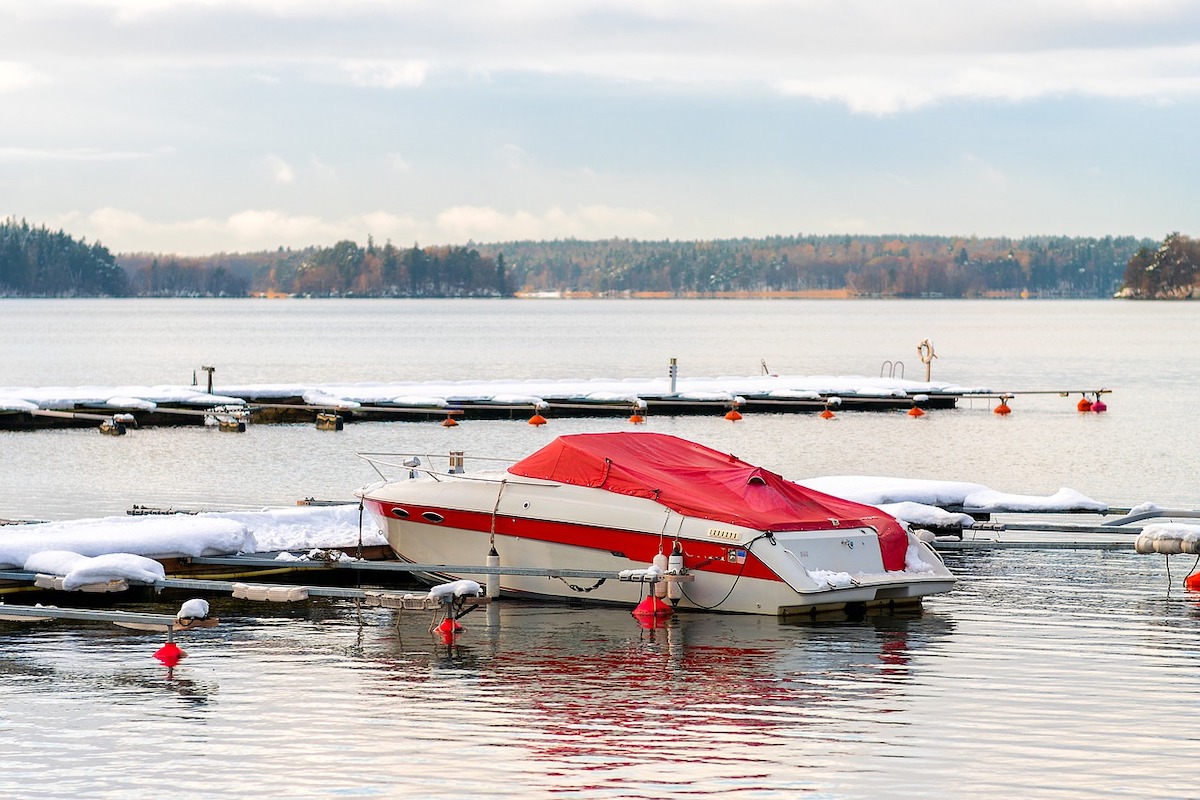
One of the most common reasons for a boat haul out is preparing for winter. In areas where freezing temperatures are common, boats are often removed from the water at the end of the boating season and stored on land.
Winterizing a boat involves protecting the following boat parts from freezing temperatures and periods of inactivity:
- Engine
- Fuel system
- Plumbing
- Batteries
Once the boat is hauled, the hull and underwater equipment can also be cleaned and inspected.
Your local climate plays a major role in determining when to haul out. In colder regions, boat owners generally schedule haul-outs before sustained freezing temperatures arrive. In warmer climates, boats may remain in the water year-round with appropriate maintenance and winterization.
2. For Routine Maintenance and Inspections
A haul-out provides an opportunity to inspect parts of the boat that cannot be easily examined while it is floating.
A professional can inspect the boat's hull for damage, blisters or other problems and check underwater hardware such as propellers, shafts, rudders, trim tabs, thru-hulls and anodes. Cleaning the bottom and inspecting these components can help identify problems before they become more expensive repairs.
A haul out can also be a convenient time to complete a comprehensive maintenance checklist, particularly if your boat has been in the water for an extended period.
3. To Apply or Refresh Bottom Paint
If your boat stays in the water, the bottom may need periodic maintenance to help prevent marine growth. Bottom paint, also known as antifouling paint, protects submerged portions of the hull from organisms such as algae, barnacles, and other marine growth.
A haul out is necessary to properly access the bottom of the boat for cleaning, preparation and painting. Depending on the type of paint, boating conditions and local environment, bottom paint may need to be refreshed periodically.
Because some antifouling paints have specific drying and launch requirements, talk with the manufacturer or marine professional before scheduling the work and putting the boat back in the water.
4. For Repairs
If your boat needs work below the waterline, a haul-out may be required. This can include repairing hull damage, replacing underwater hardware, servicing running gear, or addressing other issues discovered during an inspection.
Hauling the boat also makes it easier for technicians to thoroughly clean and access the areas they need to work on.
5. To Move or Transport Your Boat
You may also need to haul out your boat if you're planning to move your boat to another location. Depending on its size and type, boat transport may involve a specialized trailer, transport company or other professional equipment.
Before arranging transportation, confirm the boat's dimensions and weight, as well as the equipment and services included by the provider. Ask about the complete cost ahead of time and clarify whether loading, unloading, storage, permits or other services are additional charges. This can help prevent surprises or hidden fees.
How Does Boat Hauling Work?
The exact process varies based on the boat and facility, but a typical haul-out looks something like this:
- Schedule the haul-out: Contact the marina or boatyard and provide your boat's make, model, length and approximate weight.
- Prepare the boat: Follow the facility's instructions about removing gear, securing equipment and preparing the boat for lifting.
- Position the boat: The boat is moved into the designated haul-out area.
- Lift the boat: A travel lift, crane or other equipment carefully raises the boat from the water.
- Support the boat: The vessel is placed on a trailer, stands or other appropriate supports.
- Complete the work: Cleaning, inspections, repairs, bottom painting or winterization can be performed.
- Store or relaunch: Once the work is complete, the boat can be returned to the water, transported elsewhere or placed into storage.
Always follow the boatyard's instructions and make sure the facility uses equipment appropriate for your boat.
Tips for a Successful Boat Haul Out
Planning ahead can make the process easier and potentially save you money. Before scheduling, ask the facility:
- What equipment will be used to haul the boat?
- Is haul-out service charged separately from storage or maintenance?
- How long can the boat remain out of the water?
- Are blocking, stands, pressure washing or other services included?
- Are there additional fees for bottom painting or repairs?
- What preparation does the boat owner need to complete?
- If you're transporting the boat, are loading and unloading included?
If you're hauling out for winter, coordinate the haul-out with your winterization and storage plans. Consider factors such as security, protection from the elements, cost and how easily you can access the boat when choosing a storage option.
Boat Haul Out FAQs
Q: How often should you haul out a boat?
A: There isn't one schedule that works for every boat. Many boat owners haul out seasonally for winter storage. Others schedule haul-outs when maintenance, inspections, repairs or bottom painting are needed.
Q: Can I haul out my boat myself?
A: Smaller trailerable boats can often be removed from the water using an appropriate trailer and launch ramp. Larger boats typically require a marina or boatyard with specialized lifting equipment. Never attempt to lift a boat with equipment that isn't properly rated for its weight and design.
Q: How long can a boat stay out of the water?
A: A boat can remain out of the water for an extended period when it is properly supported and stored. The appropriate setup depends on the boat's design, size and construction. If you're planning long-term storage, work with a qualified boatyard or marine professional to ensure the boat is properly supported and protected.