Boating is all about freedom—relaxing, enjoying the views, and feeling the water beneath you. But safe boating requires preparation and awareness. On the water, you're navigating currents, changing weather, and other boaters, so prioritizing boating safety is essential.
Follow these tips to enjoy every trip with confidence, whether you're out for an hour or a longer excursion.
The Dos: What Smart Boaters Always Do
These are the must-dos and habits you need to adopt for every single trip:
1. DO Get Everyone Fitted for a Life Jacket
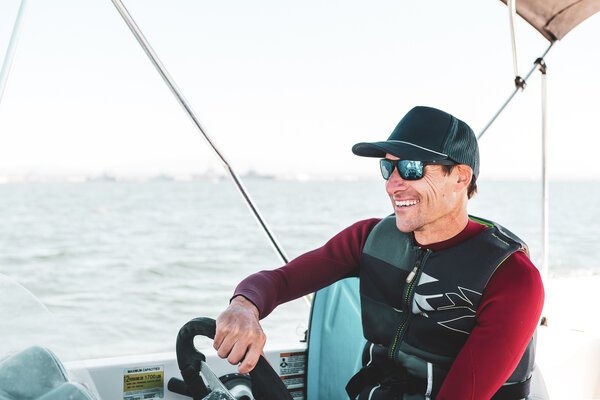
Before you leave the dock, check that everyone has a life jacket that fits and is USCG-approved.
- Kids: Make sure every kid wears their life jacket the whole time. No exceptions.
- Adults: Don't let life jackets collect dust in a locker. Everyone should know where theirs is and how to wear it properly.
2. DO File a Float Plan
Think of a float plan as your quiet backup. Just tell someone on shore where you're going, who's with you, your plans, and when you'll be back. If you don't check in, they'll know where to start looking.
3. DO Check the Weather Forecasts Obsessively
Never trust your gut or glance at the sky—pull up the latest weather and check it before you go. Conditions can change fast out there. Watch the marine forecast, wind, and waves before you go and while you're on the water. If something feels off, don't risk it—enjoy the view from land.
4. DO Use the Engine Cut-Off Switch (ECOS)
When the rule applies—generally, any boat under 16 feet or with an engine type—the skipper has to clip on the ECOS lanyard. This will kill the engine if you're thrown from the helm, preventing the boat from running away (or worse, circling back).
5. DO Get Educated
Even if you've been boating for years, it's worth refreshing your skills. A certified safety course will bring you up to speed on navigation, signals, and what to do in an emergency.
6. DO Maintain and Inspect Your Gear
Make equipment checks a habit. Check your fire extinguisher, flares aren't expired, the horn is loud, and navigation lights are ready in case you end up out after dark.
The Don'ts: What to Avoid on the Water
Believe it or not, a few common mistakes cause most boating accidents, so avoid them at all costs:
1. DON'T Drink and Drive
Boating and alcohol don't mix; it's illegal to operate a boat under the influence. Always designate a sober captain to ensure the safety of your crew and others on the water.
2. DON'T Ignore Navigation Rules
Navigation rules aren't suggestions; they're must-knows. Learn who goes first, practice your signals, and keep your head on a swivel for other boats.
3. DON'T Overload the Boat
Check the boat's capacity plate and stick to it. Don't go over the weight limit or add too many people. If you overload the boat, it's much easier to tip or capsize—especially if you hit a big wake or some rough water.
4. DON'T Drive Too Fast for Conditions
Don't push the throttle just because you can. Leave yourself time to steer around debris, shallow spots, or other boats. Go slow in no-wake zones, narrow areas, and when you're near smaller crafts.
5. DON'T Run Aground
Get familiar with your charts and pay attention to the water around you. Hitting the bottom can wreck your propeller, mess up your engine, or even crack your hull. Watch out for shallow spots so you don't turn a day on the water into a rescue mission.
Boating Safety Q&A
Q: What are the most important dos and don'ts of boating safety?
A: The key dos include wearing USCG-approved life jackets, filing a float plan, checking weather conditions, using the engine cut-off switch, taking a certified boating safety course, and regularly maintaining your gear.
The don'ts are equally important: never drink and drive, avoid ignoring navigation rules, don't overload your boat, drive at safe speeds for conditions, and steer clear of running aground. Following these guidelines ensures safe boating for everyone on board.
Q: How can I make my boating trips safer?
A: Prioritize safe boating by planning ahead, staying alert on the water, and equipping your boat with safety gear like life jackets, flares, and a first-aid kit. Educate yourself through boating safety courses and always respect navigation rules.
Q: Why is following the dos and don'ts of boating safety critical?
A: Ignoring boating safety rules increases the risk of accidents, injuries, and property damage. Consistently following these practices is the foundation of responsible and safe boating.
Originally published in March 2010. Updated in November 2025.