Seasickness is caused by conflicting signals between your eyes, inner ear, and body as your boat moves through the water. While some people are more prone to motion sickness than others, rough conditions can affect almost anyone.
The good news? Learning how to prevent seasickness on a boat is easier than you might think. A few simple habits before and during your trip can help you enjoy more time on the water and less time feeling sick.
How to Avoid Seasickness on a Boat
If you're wondering how to avoid seasickness on a boat, start with these tips:
- Keep your eyes on the horizon.
- Get plenty of fresh air by staying on deck.
- Avoid heavy, spicy, or greasy meals before boating.
- Stay cool and practice staying hydrated.
- Consider over-the-counter medications or other motion sickness remedies.
- Plan ahead before your boating trip.
Read Next: 10 First-Time Boating Tips for New Boaters
1. Focus Your Eyes, Breathing and Mind
Your vision plays a major role in motion sickness, so giving your brain a stable point of reference can help reduce symptoms.
- Keep your eyes on the horizon whenever possible.
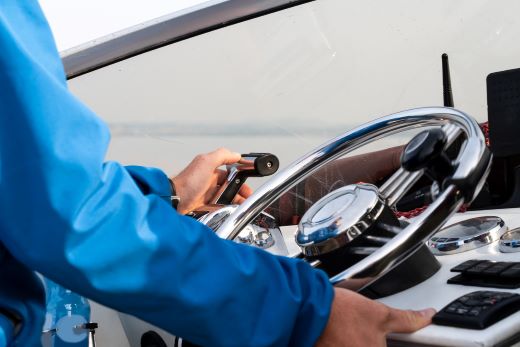
- If you're comfortable doing so, take the helm. Steering the boat helps your brain anticipate movement.
- Avoid reading, scrolling on your phone, or using binoculars for long periods.
- Breathe slowly and deeply to help settle your stomach and stay relaxed.
Getting fresh air also makes a difference. Try staying on deck or opening a window on larger boats to improve airflow. Avoid hot, stuffy, or strong-smelling areas below deck.
Finally, stay positive. Worrying about getting seasick can make you more aware of every wave, increasing discomfort.
2. Avoid Common Triggers
What you eat and drink can affect how you feel on the water.
- Avoid heavy, greasy, acidic, or spicy foods before and during your trip.
- Eat light foods such as crackers, toast, or plain bread.
- Ginger tea, candy, or gum may work as a natural nausea remedy for some people and help settle your stomach.
- Skip alcohol, which can worsen dehydration and motion sickness.
- Keep staying hydrated by drinking water throughout the day.
- Avoid smoking and strong odors, such as fuel fumes or cooking smells, which can trigger nausea.
3. Change Your Location
Not every part of the boat moves the same. The center of the boat (amidships) usually experiences the least motion, while the bow and stern move the most.
If possible:
- Stay near the middle of the boat.
- Remain on the main deck rather than higher areas where movement feels stronger.
- Stay cool by finding shade and avoiding direct sun.
- If you're feeling sick, lie flat on your back to help your inner ear adjust.
These small changes can lessen symptoms, including dizziness, nausea, and fatigue that often accompany seasickness.
4. Consider Medication
If you're especially prone to motion sickness, medication may help prevent symptoms before they start.
Common over-the-counter medications include Dramamine®, Bonine® and generic meclizine. Some work best when taken before boarding, so follow the directions on the package.
Talk with your healthcare provider before using motion sickness medication, especially if you take other prescriptions. They may recommend a scopolamine patch, which is placed behind the ear before travel. Keep in mind that both patches and oral medications can cause drowsiness.
Drug-free options, such as acupressure wristbands, may also help some boaters.
5. Plan Ahead
Preparation is one of the best ways to learn how to stop seasickness on a boat before it starts.
Before your trip:
- Get plenty of sleep.
- Dress for the weather so you don't become overheated or too cold.
- If using oral motion sickness medicine, take it before boarding according to the label directions.
- Pack water and light snacks.
Even if you do start feeling queasy, acting early often keeps symptoms from getting worse. With a little planning, you can spend more time enjoying your day on the water.
Q&A: How to Stop Seasickness on a Boat
Q: What causes seasickness on a boat?
A: Seasickness happens when your brain receives conflicting signals from your eyes, inner ear, and body. The mismatch can cause dizziness, nausea, sweating and fatigue.
Q: What is the best way to prevent seasickness on a boat?
A: The best way to prevent seasickness on a boat is to prepare before your trip. Stay well rested, avoid heavy meals and alcohol, keep your eyes on the horizon, get fresh air, stay hydrated, and consider motion sickness medication if you're prone to motion sickness.
Q: How do you stop seasickness on a boat once it starts?
A: If you're wondering how to stop seasickness on a boat, move to the center of the boat, stay on deck for fresh air, focus on the horizon, sip water, eat a few crackers, or try a ginger nausea remedy to help settle your stomach. If symptoms continue, motion sickness medication may provide relief.
Boat Safety Checklist & Safety Equipment List
Originally published in July 2020. Updated in August 2026.