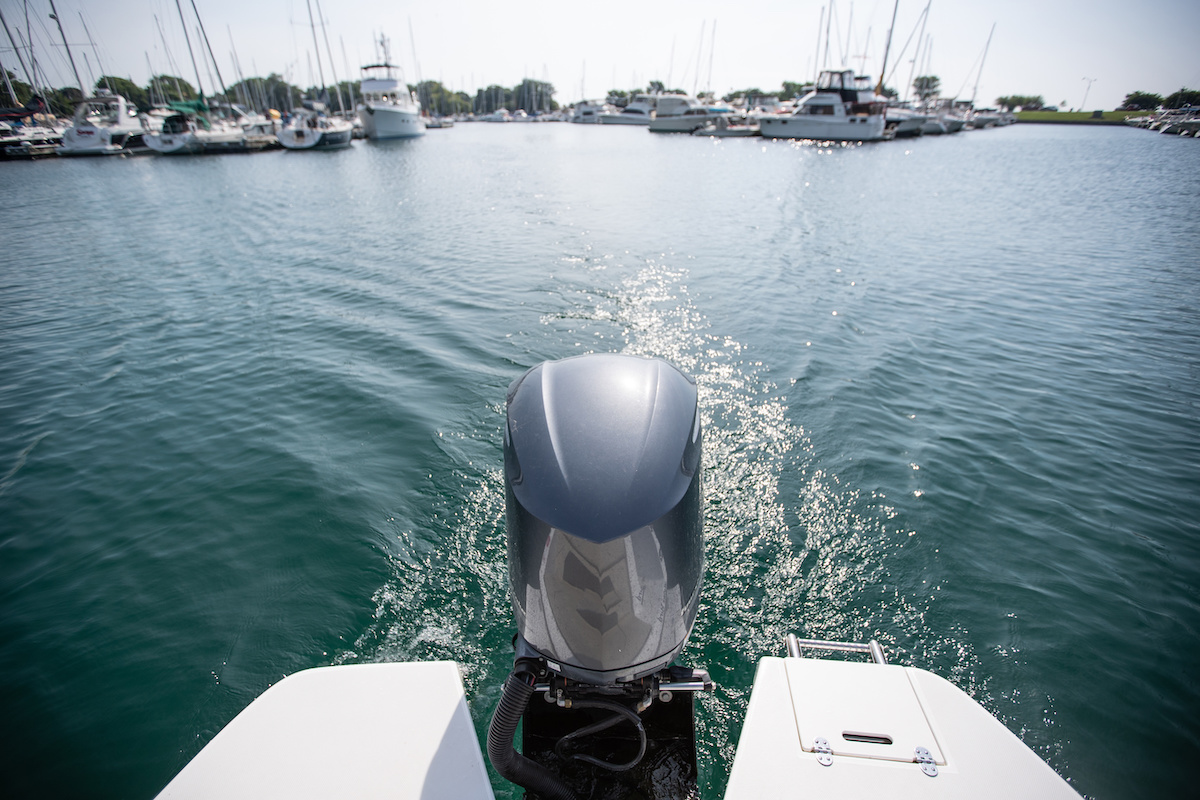
If you live in a climate where you have to winterize your boat, you've likely heard of the term "fogging." And while it might seem daunting, fogging an engine is one of the most critical steps in the winterization process.
Skipping this step might not show immediate damage, but over time, it's the difference between an engine that fires up on the first turn in the spring and one that requires replacement.
So, here's everything you need to know about how to fog a boat engine and why it's a must for long-term storage.
What does it mean to fog an engine?
Fogging an engine is the process of coating the internal components of a motor with a specialized, thick aerosol oil—appropriately called fogging oil.
When an engine sits for months, the oil that normally lubricates the moving parts drains down into the oil pan. That leaves the cylinder walls, piston rings, and crankshaft bearings exposed to the air. This allows moisture to condense inside the engine, leading to rust and corrosion. Fogging your engine essentially "shrink-wraps" it from the inside out by adding a protective layer of oil.
Why is fogging important for boat engines?
Unlike a car you drive every day, boat engines are often left unused for long periods. Fogging your engine will:
- Prevent Rust: Fogging oil sticks to metal surfaces longer than standard engine oil.
- Protect Piston Rings: It prevents the rings from seizing or rusting to the cylinder walls.
- Fight Moisture: It creates a barrier that prevents salt air and humidity from penetrating during the winter months.

How do you fog a boat engine?
The process varies slightly depending on your engine type, but the goal is the same: get the oil into the combustion chamber.
For Outboards and Inboards (Carbureted or EFI)
- Stabilize the Fuel: Run the engine with fuel stabilizer first to ensure the entire system is protected.
- Warm it Up: Run the engine on a hose (or in the water) to reach operating temperature. Doing so will thin the fogging oil and ensure it distributes evenly.
- Spray the Intake: While the engine is running, spray the fogging oil directly into the air intake or throttle body.
- "Choke" the Engine: Continue spraying until the engine begins to stumble and emit thick white smoke (the "fog"). On many engines, you'll keep spraying until the engine stalls.
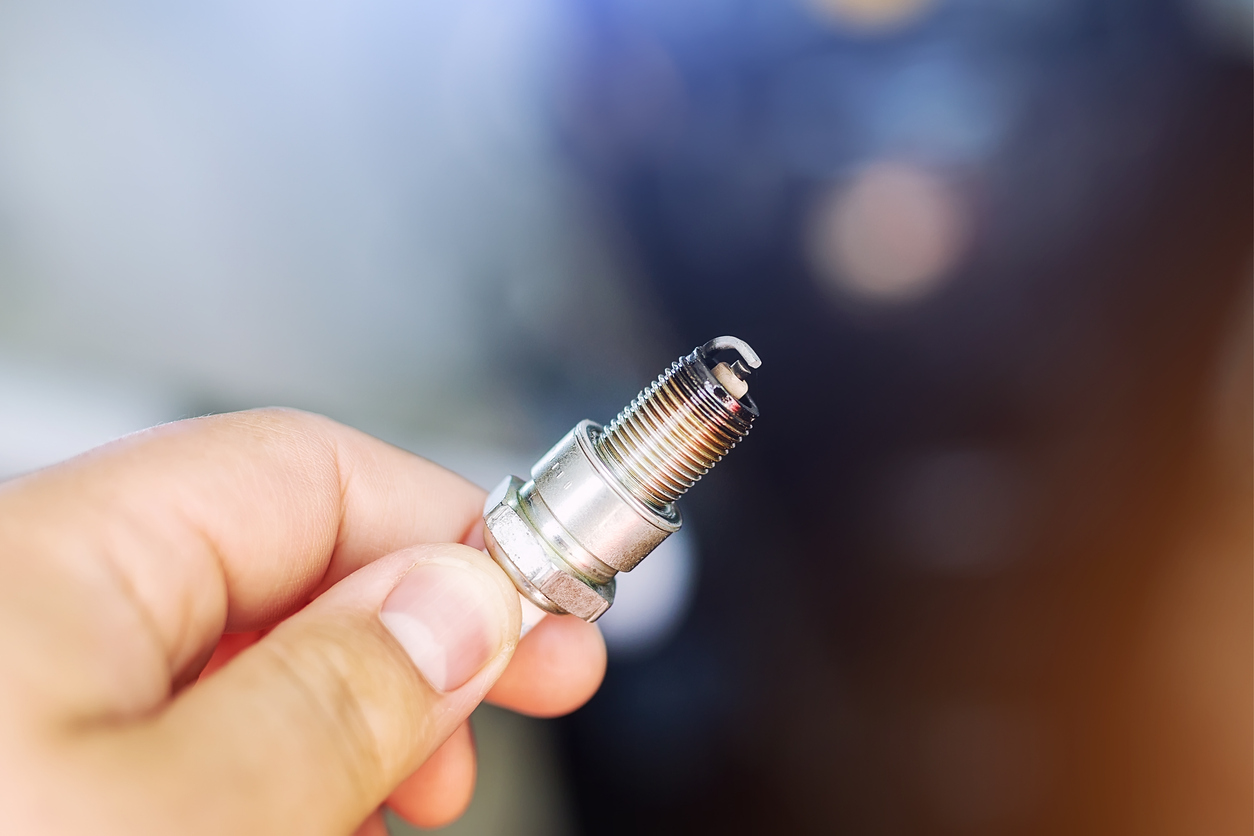
- Protect the Cylinders: Turn off the ignition. Remove the spark plugs and spray a burst of oil directly into each plug hole.
- Rotate the Engine: Turn the flywheel a few times (or briefly bump the starter) to coat the cylinder walls without starting the motor. Then, reinstall the plugs.
Specific Considerations
- Two-Stroke vs. Four-Stroke: Two-stroke engines are very susceptible to crankcase rust and should constantly be fogged. Four-stroke engines also require it, though some modern Direct Injection (DI) engines have specific "auto-fogging" computer modes.
- Electronic Fuel Injection (EFI): Be careful not to spray oil directly onto sensitive sensors, such as Mass Air Flow (MAF) sensors. Consult your manual for the best entry point.
When should you fog an engine?
Timing is everything. You should fog your engine whenever the boat is sitting for more than 60 days.
- Winter Storage: This is the most common time.
- Extended Non-Use: If you're skipping a season or moving, fog it.
- Is it necessary? Yes. If you live in an area with temperature swings, the "sweat" inside an engine can cause surface rust in as little as three weeks.
Read Next: Do I Need to Winterize My Boat?
Common Mistakes to Avoid
- Fogging a Cold Engine: The oil won't coat the surfaces as effectively.
- Using the Wrong Oil: Never use WD-40 or standard motor oil. Only use dedicated fogging oil designed for this purpose.
- Over-Fogging EFI Sensors: As mentioned, always identify the correct intake port to avoid gunking up sensors.
Essential Safety Precautions
- Ventilation is Key: Always fog your engine in a well-ventilated area.
- Fire Safety: You're spraying aerosolized oil near a hot, running engine. Keep a fire extinguisher nearby and ensure there are no open flames or sparks in the immediate area.
- Stable Footing: Ensure your boat is properly supported on its trailer or winter blocks before starting the engine.
Frequently Asked Questions About Fogging an Engine
Q: What does it mean to have a fogged engine?
A: An engine has been treated with a specialized aerosol lubricant to protect its engine internals. This oil coating prevents rust and corrosion from forming on the piston rings and cylinders during winter storage.
Q: How do you fog a boat engine?
A: To fog an engine, spray fogging oil into the air intake while the engine is running until it stalls or smokes heavily. Afterward, you remove the spark plugs and spray oil directly into the spark plug holes to ensure the cylinders are protected.
Q: When should you fog an engine, and is it necessary?
A: You should fog an engine before any long-term storage (2 months or more). It's essential in humid or freezing-temperature areas, as it is the only way to prevent rust from forming on the motor's internal metal parts.