Antique boats are vintage vessels, often wooden and built decades ago, that collectors and boaters prize for their craftsmanship and style. Classic boats are generally newer than antiques but still carry that timeless look. Like classic cars, they turn heads at every dock.
If the antique boat market feels unfamiliar, you’re not alone. This guide covers the pros, the costs, and how to buy an antique boat with confidence.
What Is an Antique Boat?
An antique boat is typically a boat built decades ago and valued for its age, design, and craftsmanship. Many collectors follow the Antique & Classic Boat Society (ACBS) eras, which place antique boats in the 1919–1942 range and classic boats in the 1943–1975 range.
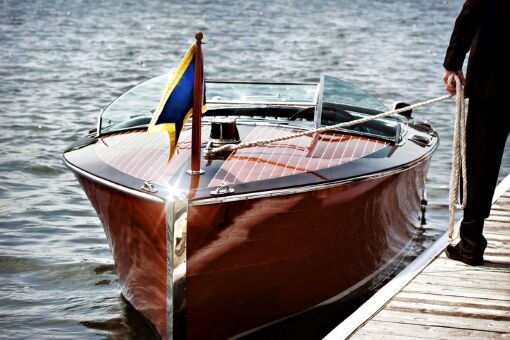
In everyday use, the terms “antique boats,” “vintage boats,” and “classic boats” often overlap.
Why Buy an Antique Boat?
Classic boats offer distinct charm. Here’s why owners love them:
- Beauty and craftsmanship: Many are true works of art, with varnished wood and polished chrome.
- Nostalgia: They recall a slower, more relaxed era on the water.
- A rewarding project: Restoring an antique boat creates a real sense of accomplishment.
- Community: Owners share boats at shows and club events.
How Much Do Antique Boats Cost?
Antique boat prices vary widely. Condition, rarity, brand, originality, and history all affect value. Tools like the Hagerty Valuation Guide help collectors estimate a vintage boat's value.
You’ll also need to decide between two paths:
- Fully restored boat: Higher purchase price, but you can usually enjoy it right away.
- Project boat: Lower upfront cost, but expect a long and often expensive restoration.
Restoration shops typically start with the woodwork and mechanical systems. Then they rework the upholstery to match the original design. Plenty of specialists focus on classic and vintage boats, so expert help is available.
After restoration, most wooden classics need a fresh coat of varnish every few years. Other costs, like insurance, storage, and engine service, are similar to any other boat.
How to Buy an Antique Boat
Buying a classic boat isn’t as simple as buying a modern boat. Follow these steps:
- Work with a specialist broker: A broker knows a vessel’s history and restoration record, and can point you toward genuine prospects.
- Hire a qualified marine surveyor: Choose one who specializes in boats of that era. Vintage hardware and systems need an expert eye.
- Schedule a sea trial: Test the engine, electrical, plumbing, steering, and rigging. Bring your surveyor or restorer along.
- Confirm the paperwork: Verify the title and registration, and ask for restoration records.
What Are the Downsides of Owning an Antique Boat?
Antique boats reward owners, but they ask a lot in return. Before you buy, consider:
- Higher maintenance: Classic boats need more upkeep than modern ones.
- Hard-to-find parts: Period-correct sails, hardware, and engine components can be scarce. Some parts must be custom-made.
- Storage.:Wood boats often do best stored out of the water or under cover, so plan for it.
- Specialized labor: You’ll likely need a shop that understands vintage construction.
- Resale: Condition and documentation drive value, so keep detailed records.
Are Antique Boats Right for You?
Only you can answer that. It depends on your lifestyle, budget, and how hands-on you want to be. If you love craftsmanship and don’t mind the upkeep, an antique boat can be one of the most rewarding boats you’ll own.
Ready to keep exploring? Browse our boating blog for more on buying boats, working with brokers, and maintenance.
Antique Boat FAQs
Q: How old does a boat have to be to be considered an antique?
A: There’s no single legal definition. The ACBS generally classifies boats built from 1919 to 1942 as antique and those built from 1943 to 1975 as classic. Many sellers use “antique” for any boat roughly 40 years or older.
Q: Are antique boats expensive to maintain?
A: Usually, yes. Wooden classics need regular varnishing, careful storage, and specialized repairs. A common rule of thumb is to budget about 10% of the purchase price per year for maintenance.
Q: Do classic boats hold their value?
A: Well-restored, original, and rare classics tend to hold or gain value. Value still depends on condition, brand, and documentation, so get a professional appraisal.
Originally published in March 2023. Updated in November 2026.