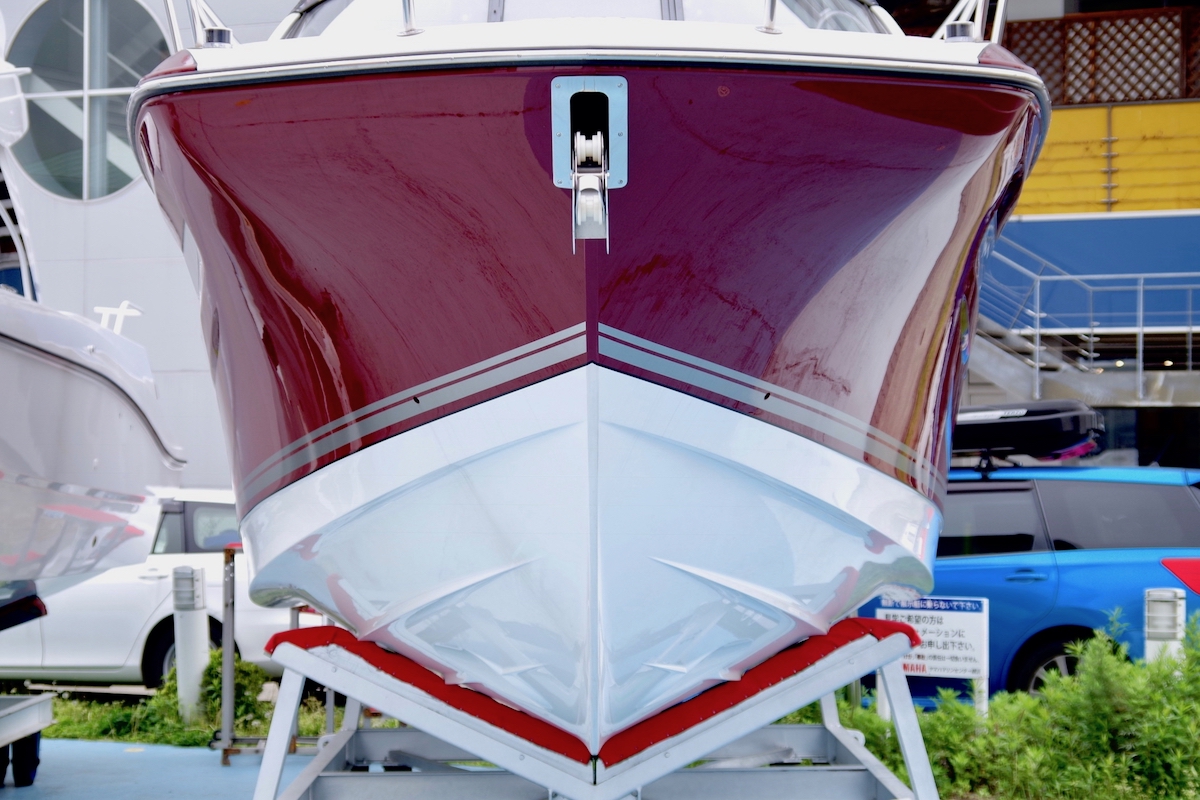
The best antifouling boat paint depends on how you use your vessel, where you keep it, and what is already on the hull. Ablative paints suit most powerboats and cruisers. Hard paints suit faster boats and frequent haul-outs. Water-based formulas suit boaters who want easier cleanup.
This guide breaks down boat antifouling paints so you can choose the right option for your hull and your budget.
Why Your Boat Needs Antifouling Paint
Any boat left in the water will collect marine growth. Barnacles, algae, slime and weed attach to the hull within weeks, especially in warm water.
That growth creates drag. Your boat burns more fuel, loses speed and handles poorly. Heavy growth can also clog raw water intakes and damage the hull surface.
Antifouling paint slows this process. It releases a biocide that makes the hull a poor place for organisms to settle. The right antifouling protection helps prevent barnacles and keeps your bottom cleaner for longer.
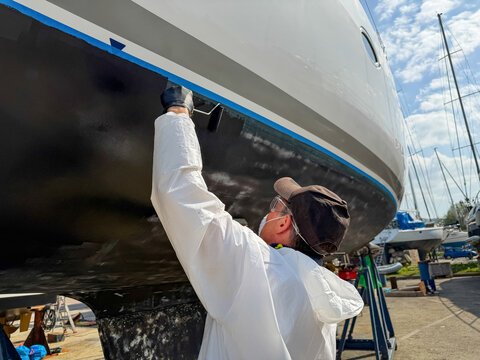
Types of Bottom Paint
Every type of bottom paint works by releasing a biocide, but each one does it differently. Here are the main options.
1. Ablative Paints
Ablative paints wear away slowly as the boat moves through the water. Each layer of paint exposes fresh biocide underneath.
This self-polishing action means the coating never builds up too thick. You can usually repaint without heavy sanding.
Ablative paints work well for:
- Powerboats and cruisers
- Boats that sit idle for long periods
- Owners who repaint every one to two seasons
2. Hard Antifouling Paints
Hard paints form a durable film that stays on the hull. The biocide leaches out slowly while the paint itself remains in place.
They hold up to scrubbing, so they suit fast boats, racing sailboats and boats that are hauled often. The downside is buildup. Layers stack up over time and may need to be stripped.
3. Hybrid and Multi-Season Paints
Hybrid paints blend ablative and hard properties. They offer solid durability with some self-polishing action.
These are good for boaters who want longer protection without the sanding that hard paints can demand.
4. Single Season Paints
A single-season formula can protect the hull for one boating year. These paints are often more affordable and suit boats used seasonally in colder climates.
Copper-Based Antifouling Paints
Most antifouling paints for boat hulls use copper as the main biocide. Copper-based antifouling paints rely on cuprous oxide, which is effective against barnacles, algae, and slime.
Higher copper content generally means stronger protection in warm, high fouling areas. Some paints add a booster biocide to fight slime and algae that copper alone can miss.
Copper is not allowed on every hull. Aluminum boats can suffer galvanic corrosion when copper paint touches the metal. Aluminum hulls need a copper-free paint, and a barrier coat is often needed as well.
Water-Based vs. Solvent-Based Paints
Solvent-based paints have been the traditional choice. They apply smoothly, adhere well and dry fast. They also give off strong fumes and need solvents for cleanup.
Water-based paints are easier to handle. They have lower odor, wash up with soap and water and are friendlier to apply in enclosed boatyards. Many water-based options now match the performance of solvent formulas.
Check local regulations before you buy. Some regions restrict copper levels or certain solvent products.
How to Choose the Best Antifouling Paint
Start with these questions to narrow your options.
Where is your boat kept? Warm saltwater has the heaviest growth. Cooler or freshwater areas need less biocide. Ask local boaters and your marina what works in nearby fouling areas.
How fast does your boat go? Slower boats that sit often benefit from ablative paints. Faster boats do well with hard paints.
What is the hull made of? Fiberglass and wood can use copper-based antifouling paints. Aluminum needs a copper-free product.
What is already on the hull? Paint compatibility matters. A previously painted bottom may need a different prep than a bare hull. Always check the label and confirm the new paint will bond with the old coating.
How often do you launch and haul? Boats that go in and out of the water often need a tougher, scrubbable finish.
Read Next: How to Prevent Hull Damage
Preparing Your Hull
The best paint will fail on a poorly prepared surface. Good prep makes the paint last longer.
Follow these steps:
- Pressure wash the hull to remove slime, algae and loose growth.
- Sand the surface lightly to remove chalky or flaking paint.
- Wipe the hull with the solvent the manufacturer recommends.
- Apply a barrier coat if you are painting bare fiberglass or switching paint types.
- Mask the waterline and any parts you do not want painted.
If the existing paint is in good condition, you may only need a light scuff before adding a fresh coat. If it is peeling or heavily built up, sand it back or strip it.
Application Tips
Apply antifouling paint in dry weather with moderate temperatures. Stir the paint well, since biocide settles to the bottom of the can.
Use a roller for large areas and a brush for edges. Apply two coats on the whole hull, and add a third coat to high-wear areas such as the leading edges, waterline, rudder and keel.
Pay attention to drying time. Most paints need several hours between coats and must be launched within a set window. Painting too early or launching too late can reduce performance. Always follow the label.
Wear gloves, eye protection and a respirator. Antifouling paint contains biocides, so handle it with care.
Common Mistakes to Avoid
- Skipping prep work
- Mixing incompatible paints
- Using copper paint on an aluminum hull
- Applying too thin a coat
- Ignoring the paint's launch and recoat window
- Sanding ablative paint heavily when a light scuff will do
Frequently Asked Questions
Q: What is the best antifouling paint for most boats?
A: For most powerboats and cruisers, an ablative copper-based paint is a strong choice. It wears evenly, resists a fouling bottom and is easy to recoat.
Q: How often should I repaint my boat bottom?
A: Most boats need new paint every one to three years. Check the hull each season. If growth returns quickly or the paint looks worn, it is time to repaint.
Q: Can I paint over old antifouling paint?
A: Yes, if the old paint is sound and compatible. Sand lightly, clean the surface and confirm the new paint will bond. When you are unsure of what is on the hull, use a barrier coat or test a small patch first.
Originally published in March 2010. Updated in November 2026.