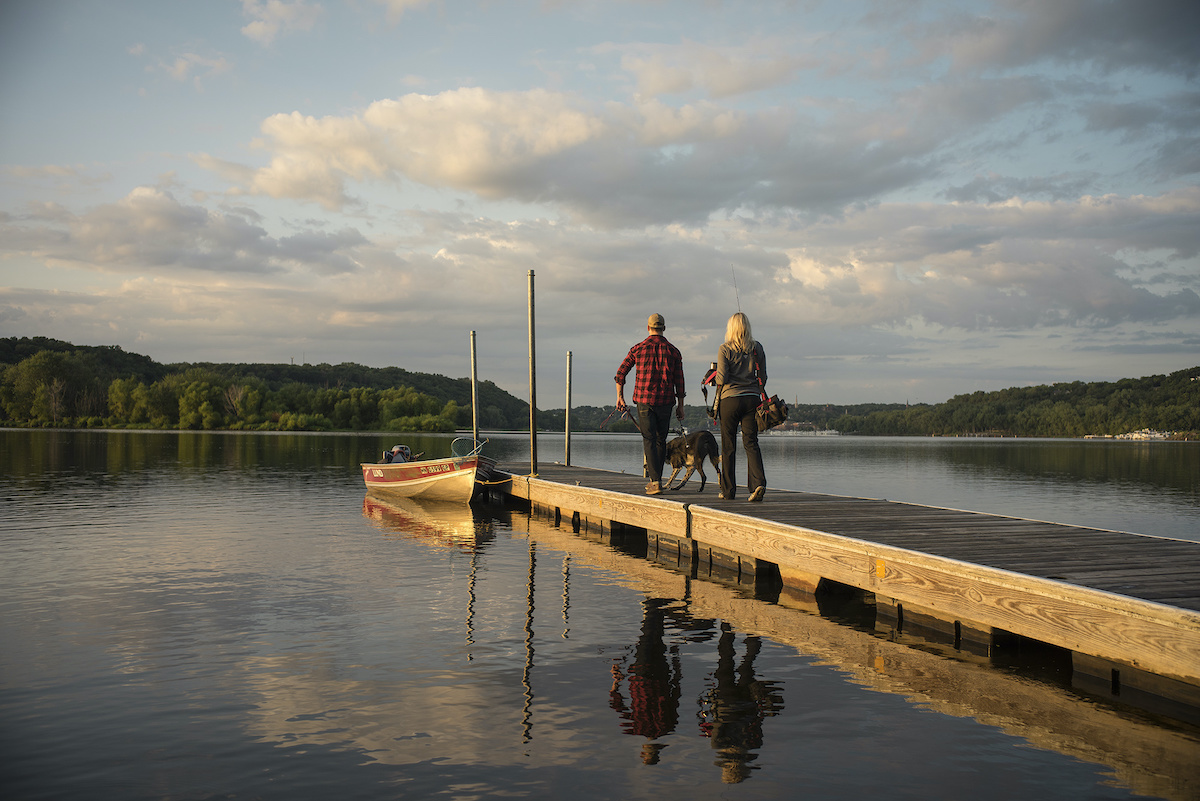
Can you fish in the fall? Absolutely, and many anglers will tell you it’s the best season of the year to do it. As summer heat fades and water temperatures drop, fish shift into feeding patterns that make them easier to find and more willing to bite.
Whether you’re casting from a bass boat, a pontoon, or a small aluminum skiff, these fall freshwater fishing tips will help you make the most of the season.
Can You Go Freshwater Fishing in the Fall?
Yes. Freshwater fishing in the fall is productive across most of the country, from southern reservoirs to northern lakes. Fish sense that winter is coming and feed heavily to build energy reserves. That means more aggressive strikes, more active fish in shallow water, and some of the best chances of the year at trophy-sized catches. Fall also brings fewer crowds, so you’ll often have your favorite stretch of water to yourself.
Why Fall Is Prime Time for Freshwater Fishing
Two things drive the fall bite: cooling water and baitfish movement. As surface temperatures drop, the water column that was layered in summer begins to mix, a process called turnover.
Oxygen spreads through more of the lake, letting fish roam shallower and wider than they could in August. At the same time, shad and minnows move into creeks and coves, and predators follow. Find the bait, and you’ll usually find the fish.

Fall Freshwater Fishing Tips
1. Follow the Baitfish
This is the most important fall strategy. Watch your electronics for baitfish schools, look for birds diving along the shoreline, and check for surface activity near creek mouths. Bass, walleye, and pike stay close to the food.
2. Fish the Creeks and Coves
In early fall, head to the backs of creeks and shallow coves where baitfish stack up. As the water cools further, work your way back out toward the main creek channel and deeper points.
3. Adjust Your Depth Through the Day
Fish often hold shallow in low light early and late, then slide a little deeper as the sun warms the water. Start shallow, and move out gradually if the bite slows.
4. Match Your Bait to the Forage
Choose baits that imitate shad and minnows:
- Crankbaits and lipless crankbaits to cover water and trigger reaction strikes
- Spinnerbaits and chatterbaits around wind-blown banks and shallow cover
- Swimbaits and jerkbaits for fish suspended near baitfish
- Live minnows for crappie, walleye, and trout
Natural colors like shad, silver, and green pumpkin work well in clear water.
What is the Best Fishing Bait?
5. Slow Down as the Water Cools
Early in the season, fast-moving baits shine. As temperatures keep dropping, fish become less willing to chase, so slow your retrieve and downsize to jigs and soft plastics worked along the bottom.
6. Look for Wind
Wind pushes plankton and baitfish toward the bank, and predators follow. A windy point can be far more productive than a calm shoreline, as long as conditions are safe for your boat.
7. Watch the Weather
Stable weather means steady fishing, while a sudden cold front can make fish sluggish for a day or two. Overcast days are often excellent because cloud cover encourages fish to roam shallower. If a front is approaching, the hours just before it hits can be especially good.
Read Next: Can You Go Fishing After a Heavy Rain?
Best Freshwater Species to Target in the Fall
Bass feed heavily in shallow water, walleye bite at dusk around rocky points and humps, crappie move into brush and docks, pike and musky hunt big baits, and trout become more active as temperatures drop.
Fall Fishing Boat Safety
Cold water is dangerous, so wear your life jacket on every trip. Dress in layers, check the forecast, and plan to be back at the ramp before dark, since days are shorter. Inspect your battery, trolling motor, and fuel system before you go, and tell someone where you’re headed and when you’ll return.
Read Next: Fall Boating Safety Tips
Make the Most of the Season
Follow the baitfish, adjust your depth and presentation as the water cools, pay attention to wind and weather, and stay safe on the water. With a little planning, fall can deliver some of your most memorable days on the lake.
Frequently Asked Questions
Q: Can you fish in the fall?
A: Yes. Fall is one of the best seasons for fishing. Cooling water triggers heavy feeding as fish prepare for winter, and baitfish movement brings predators into shallower, more accessible areas. Bass, walleye, crappie, pike, and trout are all active.
Q: Can you go freshwater fishing in the fall?
A: Absolutely. Freshwater fishing in the fall is productive on lakes, reservoirs, rivers, and ponds across most regions. Focus on creeks, coves, and points where baitfish gather, start shallow in the morning and evening, and slow your presentation as the water cools.
Q: What is the best bait for fall freshwater fishing?
A: Choose baits that imitate local forage like shad and minnows. Crankbaits, spinnerbaits, and swimbaits work well in early fall, while jigs and soft plastics shine as the water gets colder. Live minnows are a reliable choice for crappie, walleye, and trout.
Originally published in May 2017. Updated in October 2026.