Boat Insurance Guide: Costs & Coverage
When it comes to insuring your boat, it’s often best to separate your boat insurance from your homeowner's policy. Many homeowners’ policies limit or don’t cover marine-specific risks, such as salvage work, wreck removal, pollution or environmental damage; but there are exceptions.
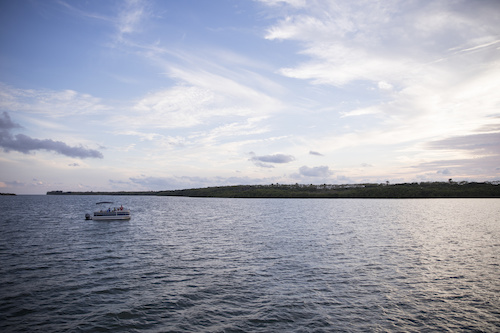 Many homeowners policies include perfectly good coverage for smaller boats and motors, usually with a horsepower limit of from 25- to 100-horsepower. While homeowners riders are normally adequate for these boats, be careful to ask the same questions you’d ask any other insurer about damages to your vessel and how they will be paid. Also, most homeowners insurance riders apply only to use in inland waterways, lakes and rivers. Coverage seldom extends outside a coastal inlet or along the beach. If you plan to boat “outside the inlet” you definitely need an experienced marine insurer. Many other factors will lead you to a qualified marine insurer, too, and here are the things to consider.
Insurance Factors
Insurers consider many factors when deciding whether or not to offer a policy. Almost any vessel can be insured— for a price. You want to consider the following to make sure the policy you purchase meets your needs:
- Age of Boat
- Length
- Value
- Speed/Horsepower
- Condition (Does it meet US Coast Guard Standards in effect at the time it was built?)
- Primary residence (If the boat is used as a primary residence)
- Type (Inboard, Outboard, utility, cruiser, bassboat, saltwater fishing boat, performance boat)
- Homemade (Boats without a serial number are tricky but many kits are okay)
- Houseboats with no motor
- Ownership (more than 2 owners)
- Where it will operate (Ocean, lakes, bays, rivers, Great Lakes)
Types of Boat Insurance
There are two basic types of boat insurance—“agreed value” and “actual cash value.” How depreciation is handled is what sets them apart.
An "agreed value" policy covers the boat based on its value when the policy was written. While it can cost more up front, there is no depreciation for a total loss of the boat (some partial losses may be depreciated).
"Actual cash value" policies cost less up front, but factor in depreciation. In other word, the policy will only pay up to the actual cash value of the boat at the time it is declared a total or partial loss. Eventually, as your boat ages, your insurer will likely insist on an actual cash value policy—and if often gives a substantial savings.
Kinds of Boat Insurance Policies
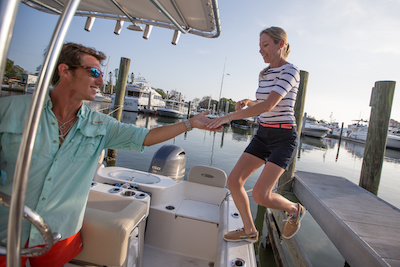 Marine insurance covers a wide array of watercraft. You may be surprised to find what can be insured. Marine insurance policies include:
- Boat
- Personal Watercraft (PWC)
- Yacht - generally, vessels 26' and smaller are called "boats,” and "yachts" are 27' and larger. Yacht coverage tends to be broader and more specialized because larger boats travel farther and have more unique exposures.
- Sailboat
- Dinghy
- Boat & PWC Rental - Although this is generally not required, rental insurance will help cover any damage the vessel, as well as the operator and passengers.
- Boat Clubs - covers all members of club while operating a boat.
- Professional (ProAngler, Fishing Guides & Charters) - These policies are very customizable and can cover items like travel to a tournament, equipment and more.
What Boat Insurance Policies Cover
How and where you boat determines the type of coverage you need. An "all risk" policy will offer the best protection. However, an “all risk” policy does not cover every type of loss. In insurance terms “all risk” just means that any risk not specifically omitted in the policy is covered. Typical exclusions include wear and tear, marring, denting, animal damage, manufacturers’ defects, design defects, ice and freezing.
You may also be able to add extra coverage. Available options may include: medical payments, personal effects, uninsured boaters liability, and towing and assistance. Most policies will cover permanently attached equipment, as well as items like anchors, oars, trolling motors, tools, seat cushions, and life jackets. Be sure to discuss these options with your agent.
Types of Boat Insurance Coverage
This will depend on the type of policy, but common coverage add-ons (in addition to basic ones above) include:
- Specialized Coverage: Coverage for something specific on your boat like an expensive prop or navigation equipment.
- Salvage: Coverage that pays to remove your boat due to damage, from substantial to minor.
- Consequential Damage: Covers a loss that was the result wear and tear rather than an accident (rot, mold, corrosion).
- Towing: Towing your boat across a body of water to safety can cost $400 per hour.
- Cruising Extension: You can get temporary, additional coverage if you plan on leaving the USA (typically to Mexico or the Bahamas).
Insurance Claims
Hopefully, you will never need to make a claim but if you do, it’s good to be prepared. You are not required to carry proof of insurance on your boat, but it’s a good idea keep claim information handy for an emergency. Ask how the claim process works when you’re shopping for policies. Naturally, it should be quick and easy. In addition, find out if your agent (or other representative) will be available if you need help dealing with the aftermath of a claim, such as arranging for towing or salvage, rather than just cutting a check and leaving.
Shopping for Boat Insurance
Start with a little fact-finding. Ask your boating friends which company they use and how their claims have been handled. The way an insurer has handled claims in the past is a good indicator of the quality of service you can expect in the future.
State insurance regulatory agencies are also a good reference and can be found online.
Boat Insurance Cost Factors
 Many factors are used to set the cost of a policy, and they vary among insurers. Here are some items to consider:
- Cruising Area: Where you boat.
- Boating Safety Education: If you have been formally trained or certified.
- Good Driving Records: Both boating and driving.
- Liability Limits: The higher the limit the higher the cost.
- Deductible: The higher the deductible the lower the premium.
- Towing insurance requirements for offshore fishing (for example, a 20-mile tow could cost $3,000).
Storm Plan
If you boat in a hurricane zone, your insurer may expect you to provide a hurricane plan. If a storm approaches, will you have it stored in a hurricane-proof facility or will you tow it or skipper it to a safer harbor. The answer can affect your rates, even lower them, but be prepared to follow the plan, because your coverage may hinge on it.
Insurance Discounts
There are a few ways to reduce your boat insurance costs. For example, if your boating is restricted by seasons and your boat is in storage during the winter, you can get deductions for winter layup. Many insurers offer discounts for good driving records and for anyone who has completed boater education classes. Finally, it usually costs less to be insured in fresh water versus salt, so be sure to discuss where you boat with your agent. You may earn extra savings by bundling your coverage with the same company that insures your home and/or car.
Before you buy your new vessel, it’s a good idea to determine your insurance costs based on your needs.
Boat Insurance Coverage FAQs
Small Boat (29' or less) Insurance
What is the best coverage for my boat?
It is best to have what is known as an "All Risk" policy, which will provide coverage for all types of losses except those specifically excluded in the policy. Typical exclusions may include wear and tear, gradual deterioration, marring, denting, scratching, animal damage, manufacturer's defects, defects in design, and ice and freezing.
How much should I insure my boat for?
You should insure your boat for the amount it would cost you to replace it with like kind and quality. This is called "Agreed Value" or "Stated Value" coverage, and in the event of a total loss, will pay the full insured amount. Beware of policies providing "Actual Cash Value" (ACV) coverage, which means the value of your boat will be replacement cost less depreciation.
What other coverages can I expect with my policy?
The following are standard coverages with standard deductibles and average limits:
- Medical payments, $5,000
- $1,000 limit Personal effects, $250 deductible
- Uninsured boaters liability, between $300,000 and $500,000
- $500 to $1000 limit Towing and assistance, no deductible
- $1,000 limit Fishing equipment, $250 deductible
Who is allowed to operate my boat?
Most policies will allow anyone to operate your boat so long as you have given them permission. There are exceptions, of course, especially with high performance boats or personal watercraft so always read your policy. But beware, too many additional drivers often results in increased premiums.
I live in an area where I can't use my boat in the winter, but my lender requires it be insured year-round. What can I do?
Ask your insurance agent if they offer what is commonly referred to as a “lay-up” discount. You have year-round coverage with a discount for the months your boat is in dry storage.
Large Boat (Greater than 29') Insurance
What are the differences between boat and yacht insurance?
Generally "boats" are considered to be 26' and smaller, and "yachts" are 27' and larger. Generally speaking yacht coverage is broader and more specialized because larger boats travel further and have more unique exposures.
What should I look for in a yacht policy?
There are two main section s of a yacht policy. Hull insurance is all risk direct damage coverage that creates a very broad insuring agreement. It will include agreed amount hull coverage, meaning all parties agree at the time the policy is written on the value of the vessel and that value will be paid in the event of a total loss.
A true yacht policy also includes replacement cost (new for old) coverage on partial losses, with the exception of sails, canvas, batteries, outboards and sometimes outdrives, which are depreciated. Protection and indemnity insurance is the broadest of all liability coverages, and because maritime law is unique, you will need coverages that are designed for those exposures. Such things as Harborworkers and Longshoreman's coverage and Jones Act (crew) coverage can be critical, as an uncovered loss in this area could run into hundreds of thousands of dollars. Besides providing payment of judgments against you, P&I also provides for your defense in Admiralty Courts.
What is a normal deductible?
A yacht policy usually carries a percentage of the insured value deductible, for instance a 1%, deductible means a boat insured for $100,000 would have a $1,000 deductible. Most lenders allow a maximum deductible of 2% of the insured value. Beware of "named special deductibles" such as storm damage of 10% or more.
What are some of the other standard coverages I can expect?
These standard coverages have standard deductibles and average limits:
- Medical payments, $10,000 limit
- $5,000 limit personal effects, $250 deductible
- $500,000 limit uninsured boaters liability, no deductible
- $1,000 to $3,000 limit Towing and assistance, no deductible
- $1,000 limit Fishing equipment, $250 deductible
- $1,000 Hurricane haul out coverage. Small percentage of limit as deductible. Hurricane warning must be posted by NOA. Payment made to move boat to safe location, haul out or make special preparations to withstand storm.
What is Breach of Warranty?
That is coverage that primarily protects the lienholder's interest in your boat, paying off the balance owed but nothing more. If you breach the warranties in the policy, such as promising not to go outside your navigational limits, not to use your boat during the lay-up period, not to use your boat for anything but private pleasure use, and you do NOT have this coverage and experience a loss, you don't get paid for that loss and neither does the lender. You could end up making payments on a boat you cannot use.
Editor's Note: Information Courtesy of National Marine Lenders Association.
Latest Wave of Boating News & Resources
Inspirational stories, how-to articles, and expert tips for new & experienced boaters