White Crappie
Pomoxis annularis
AKA: White Perch, Sac-a-lait
Together with the black crappie, the white crappie is the third most sought after group of freshwater fish, right behind bass and catfish.
Distinguishing Markings:
As with the black crappie, the white crappie’s gill covers have spines. The fish has dark bands (vertical bars) around the body. The white crappie is deep-bodied and silvery in color, ranging from silvery-white on the belly to a silvery-green or even dark green on the back. There are several vertical bars on the sides. The dorsal fin has a maximum of six spines. Males may develop dark coloration in the throat region during the spring spawning season.
Size:
-
White crappie can grow up to five pounds.
Distribution:
-
The native range of white crappie included the area west of the Appalachian Mountains north to southern Ontario and south to the Gulf of Mexico. The range extended west to Minnesota and South Dakota in the north, and to northeastern Mexico in the south. Today the range extends east to the Atlantic coast, and west to include California and portions of Nevada, Arizona, New Mexico, Montana, Colorado, Utah, and North Dakota.
-
Habitat:
Similar to black crappie, white crappie tend to swim around sheltered areas in freshwater lakes, seeking protection from enemies and access to prevalent food source.
-
Food:
Adults feed on small fish and insects.
-
Spawning:
Like other members of the sunfish family, white crappie are nest builders. They are similar to bluegills in that they tend to nest in relatively large "beds", and they have very high reproductive potential which often leads to overpopulation and stunting in small lakes and impoundments. White crappie nest in the spring, generally when water temperatures reach 65 to 70 degrees F. However, spawning activity has been observed at temperatures as low as 56 degrees. Fry hatch in three to five days, but remain attached to nest substrate by an adhesive substance from the egg for a few more days. Just before leaving the nest, fry free themselves by vigorous swimming actions. Once free, they begin feeding on microscopic animals. Although fry do not appear to school, fingerlings do. Schools with large numbers of individuals are often found in the middle of lakes. Typically, white crappie grow three to five inches in length the first year, and reach seven to eight inches during the second year. They usually reach maturity in two to three years.
-
Fishing Tips:
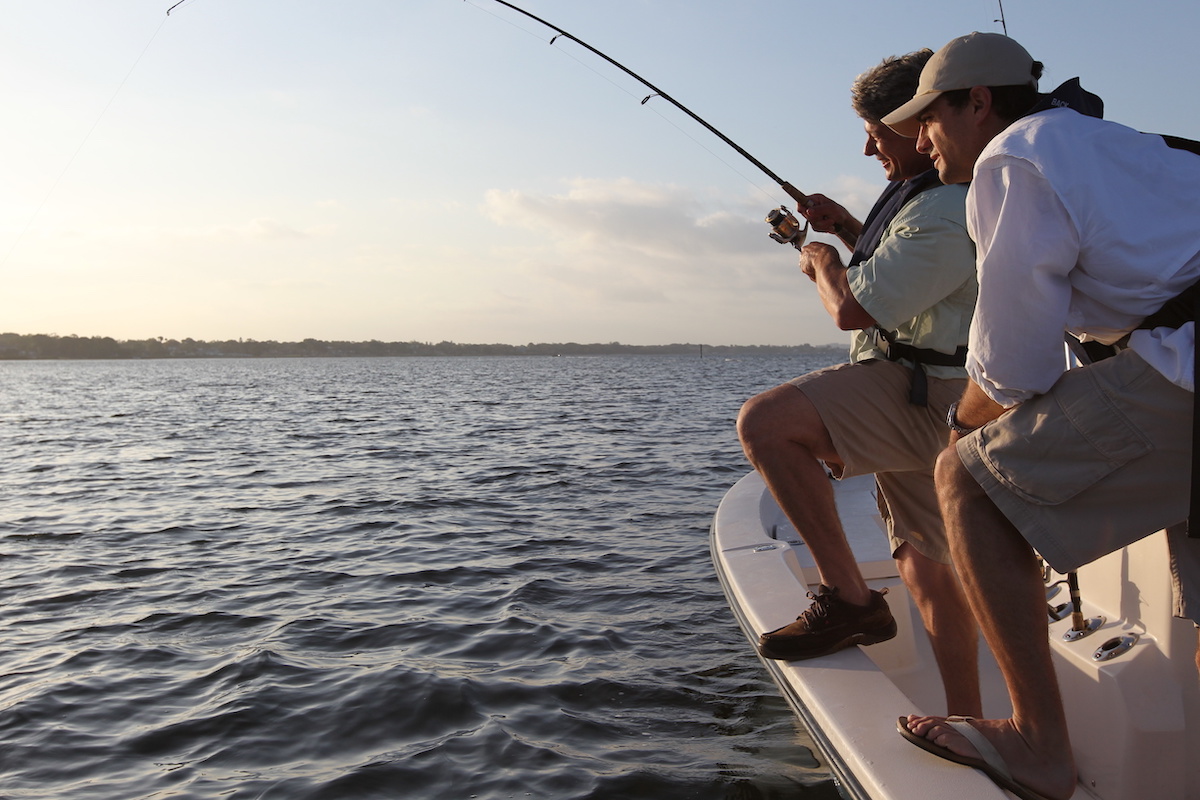
Crappie are sought after by both bank and boat anglers. Typically, minnows are the preferred bait, often producing monumental results when a school of crappie is located, usually around submerged trees, boat docks, or other submerged structures.