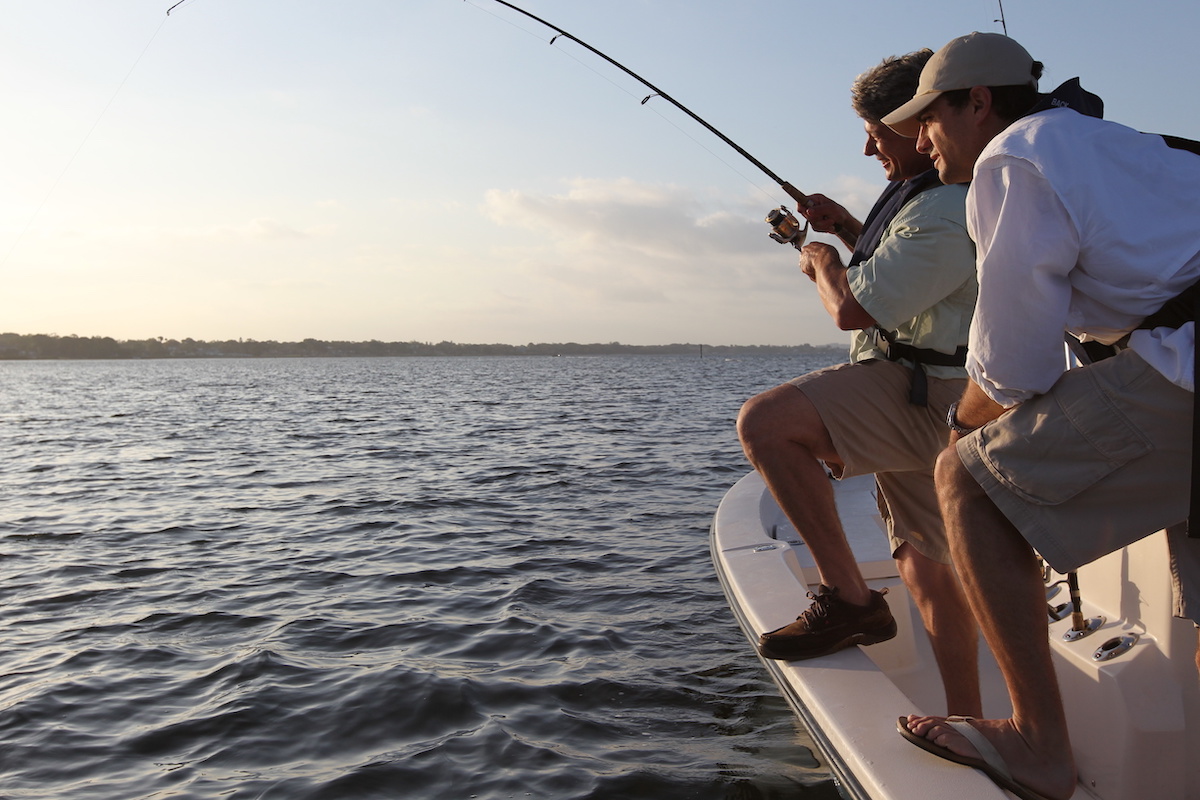
The fishing rod usually gets the glory in trophy photos, but the fishing reel is the real engine behind the operation!
If you've ever spent an hour untangling a bird's nest while bass are jumping nearby, you know the pain. A bad reel ruins the day fast! You need gear that handles the specific grind of freshwater fishing reels without quitting when things get interesting. Keep reading for our top picks.
What is a Freshwater Fishing Reel?
A fishing reel is a mechanical spool that stores and winds your line. It mounts to your fishing rod via the reel seat and lets you launch lures way past the shoreline or edge of the boat.
In freshwater environments, it handles everything from tiny trout in a stream to massive muskies up north. And unlike saltwater gear, these reels don't always need heavy rubber gaskets for salt protection. Instead, they focus on being lightweight and fast for high-repetition casting!
Key functions of a good freshwater fishing reel:
- Manages your line lay so the string stays flat and even on the spool
- Prevents knots and helps your next cast go much further
- Houses the drag systems, which act as brakes when a fish runs
Think of the drag as the clutch in a truck. If it slips smoothly, you keep moving. If it jerks, you're in trouble (and probably losing your fish).
How Does a Freshwater Fishing Reel Work?
Think of it as a specialized winch for your fishing rod. You turn a handle that moves gears inside the housing. And those gears spin either the spool itself or a rotor that wraps line around a stationary spool.
Understanding Drag Systems
The drag is a stack of washers inside the reel. When a fish pulls harder than the setting you chose, the spool slips and lets line out. (This keeps the line from snapping under pressure.)
You want a drag that feels smooth and consistent–not jerky! If it sticks for even a second, that big fish will break your line.
Most modern reels use carbon fiber washers because they handle heat better than the old felt ones.
Why Gear Ratios Matter
You'll see numbers like 6.2:1 or 8.1:1 on the side of the box. That first number is how many times the spool spins for every complete turn of the handle.
- High ratios (7.1:1 and up) are fast. Use these for quick cast-and-retrieve with lures like jerkbaits, where you need to pick up slack line quickly.
- Low ratios (under 6.0:1) have more cranking power. Use these for heavy lures with lots of water resistance, like deep-diving crankbaits. It's the difference between a racing bike and a tractor.
What Are the Types of Freshwater Fishing Reels?
Most anglers stick to three main designs. Each one has a specific job on the boat, and picking the wrong one makes for a long day.
1. Spincast Reels
These have a closed face with a simple thumb button on the back.
Pros:
- Simplest to use
- No line twists
- Generally, the lowest price range
Cons:
- Short casting distance
- Basic drag systems
Best for: Kids or people who fish once a year and don't want to learn a complicated system.
2. Spinning Reels
The spool stays still, and a wire "bail" wraps the line around it. These are the most versatile types of freshwater fishing reels.
Pros:
- Great for light lures
- Easy to improve casting distance
- Handles a wide range of line types
Cons: The line can get loopy if you don't keep it tight while winding
Best for: Finesse fishing and general lake use for bass, walleye, and trout.
3. Baitcasting Reels
The spool actually spins during the cast. This requires way more skill but gives you way more control (once you master it, you won't go back).
Pros:
- Total accuracy - you can stop the lure mid-air with your thumb
- High gear ratios available
- Direct feel of what your lure is doing
Cons:
- Hard to learn
- If you mess up, you get a backlash (massive tangle)
Best for: Heavy bass fishing and accuracy when you're trying to hit a specific spot under a dock.
How Do Freshwater Reels Compare to Saltwater Gear?
You can take a saltwater reel to a lake but definitely don't take a freshwater reel to the ocean.
- Corrosion: Salt eats metal for breakfast. Saltwater fish reels have sealed bearings and specialized coatings. Freshwater models usually have open bearings that rust instantly when exposed to salt spray.
- Size: Saltwater reels are massive because ocean fish run for miles. Freshwater reels are smaller and lighter for all-day casting. (Nobody wants to throw a 20-ounce reel for eight hours straight!)
- Drag: Ocean fish are generally stronger and faster. Freshwater reels focus more on a smooth, low-friction bearing system for finesse than on raw stopping power.
What Makes a Good Freshwater Fishing Reel?
Don't just buy the one with the coolest paint job! Check these specs before you spend your cash:
- Bearing System: Look for "stainless steel" or "shielded" bearings. Five high-quality bearings are better than ten cheap ones that start grinding after a month.
- Frame Material: Aluminum or carbon frames are the high-quality standard. Plastic (graphite) is okay for light use, but it flexes under pressure when you're fighting a big fish. If you can squeeze the reel body and feel it move, leave it on the shelf.
- Anti-Reverse: This stops the handle from spinning backward. It makes your hook sets feel way more solid and prevents line slack.
- Line Lay: A reel that stacks line perfectly prevents "dig-in," where the line gets trapped under itself on the spool.
What Are the 6 Best Freshwater Fishing Reels for 2026?
These models are the ones actually worth the investment. Each one brings something specific to the boat that helps you catch more fish.
1. Shimano Stradic FM (Spinning)
This is a total workhorse for any serious angler. It uses "Hagane" cold-forged gears that stay smooth for years, even after catching hundreds of fish.
- Minimizes vibration so you feel even tiny nibbles
- Anti-Twist Fin helps manage vertical line slack.
2. Daiwa Tatula SV TW (Baitcaster)
This reel features the "T-Wing" system, which is a massive help for your casting. When you click the cast button, the line guide opens, allowing the line to fly out with almost zero friction.
- Helps improve casting distance even for beginners
- The SV spool prevents backlashes automatically.
- Great for learning baitcasting techniques
3. Pflueger President (Spinning)
This is probably the most famous reel on any lake for good reason. It's affordable and feels way smoother than it has any right to be.
- 10-bearing system (7 bearings on 20 size)
- Stainless steel main shaft
- "Old reliable" of the fishing world
4. Abu Garcia Revo Rocket (Baitcaster & Spinning)
If you need raw speed, this is the fastest reel on the list. The baitcasting version has a staggering 10.1:1 gear ratio.
- Brings lures back faster than almost anything else
- Perfect for aggressive game fishing
- Make as many casts as possible in short windows.
5. Lew's Custom Lite (Baitcaster)
This reel is for people who spend twelve hours a day on the water and want to avoid a sore wrist. It weighs less than 5 ounces (4.9oz exactly) thanks to its Tanso Tech frame and carbon fiber construction.
- Despite its lightweight, it has a rugged bearing system.
- High-strength gears won't give out under load.
- Specialized tool for serious anglers
6. Zebco 33 Platinum (Spincast)
This is the classic thumb-button reel, but built with high-end metal parts rather than the plastic you find in less-expensive kits. It's basically indestructible!
- All-metal body with four stainless steel bearings
- Instant anti-reverse clutch
- Perfect for teaching friends to fish
How Do You Match a Reel to a Fishing Rod?
A fishing reel has to balance with the fishing rod, or the whole setup will feel awkward in your hand.
- Rod Action: (Fast to Slow) This describes where the rod bends. "Fast" action rods bend near the tip and pair best with high-gear-ratio reels for quick hooksets.
- Rod Power: (Ultra-light to Extra-heavy) This dictates how much pressure it takes to bend the rod. You wouldn't put a tiny spinning reel on a "Heavy" power rod meant for big pike.
Additionally, check your rod's label for the line rating (like 6-12 lb). Make sure the reel matches that capacity. Test the balance by holding the rod at the grip with one finger. The tip shouldn't dive, and the handle shouldn't drop.
Lastly, never put a baitcaster on a spinning rod, as the guide sizes won't allow the line to flow correctly.
Read Next: Fishing Rods for Beginners
What Are the Best Fishing Techniques for Each Reel Type?
Different types of freshwater fishing reels work best with specific fishing techniques.
- Spinning reels are your best friend for drop-shotting bass or throwing tiny jigs for trout. The fixed spool allows the line to uncoil with zero resistance, which helps improve casting distance with light lures.
- Baitcasters dominate power fishing with heavy spinnerbaits or deep-diving crankbaits. The direct line of travel from the spool through the guides gives you more feel. You'll know exactly what the lure is doing in the weeds.
- Spincast reels work great for simple bobber fishing or teaching kids the basics without worrying about tangles.
Learn More About Spinning Reels
How Do You Maintain Freshwater Fishing Reels?
Good freshwater fishing reels last for years with basic maintenance. Don't overthink it!
Give your reels a quick rinse with fresh water from a spray bottle after the trip and wipe them down with a soft cloth. Monthly maintenance includes putting a single drop of high-speed oil on the spool shaft and handle bearings.
Once a year, remove the spool, clean the main gears with a Q-tip, and apply fresh grease. This keeps that high-quality feel for years.
Frequently Asked Questions: Good Freshwater Fishing Reels
Q: Which reel is best for a beginner?
A: The spinning reel is the winner for beginners. It's easy to learn and handles a wide range of lures without a steep learning curve.
Q: How do I stop line twists on my fishing reel?
A: Don't crank the handle when a fish is taking line—this is the most common cause of line twists. Also, make sure you're putting the line on the spool correctly. It should come off the supply bottle in the same direction it goes on the reel. Good freshwater fishing reels with proper line lay systems help minimize twists, too.
Q: Is a higher bearing count always better in freshwater fishing reels?
A: No. Quality matters more than quantity in the bearing system. Five high-quality stainless steel bearings will last longer than twelve cheap ones that rust after one wet weekend. Always look for "shielded" or "sealed" bearings when shopping for the best freshwater fishing reels. The smoothness of the bearing system affects everything from cast and retrieve to fighting big fish.
Originally published in March 2011. Updated in February 2026.