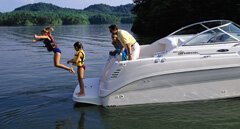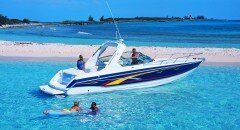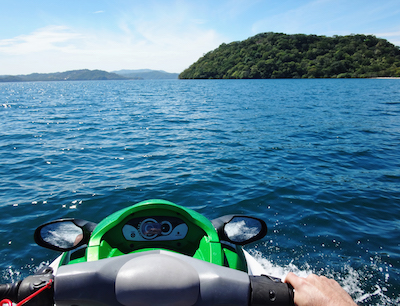
All boaters—including those on personal watercrafts (PWCs), Jet Skis and WaveRunners—have an opportunity to do their part in keeping our waterways clean and free of trash and debris. Next time you're out on the water, be sure to keep these tips in mind to help protect your local marine environments.
Green Boating on Personal Watercrafts (PWCs)
1. Don’t Over-Fill and Spill!
- Refuel on land to reduce any chances of spilling oil or gas into the water
- Slowly fill the tank, don’t over-fill, catch any accidental spills with an absorbent pad, and dispose of it properly.
- Check and clean your engine well away from shorelines. Spillage from refueling or adding oil can harm the water’s delicate microorganisms as well as the animals that feed on them, potentially upsetting the entire food chain.
2. Don’t Go in Shallow Water!
- Because PWC don’t have exposed propellers, they don’t present the same potential disturbances to underwater vegetation and sediment as other boats. However, it is still not advisable to operate in these shallow waters because ingesting any type of weeds, grasses, plant life or trash into the watercraft’s pump can cause engine problems.
- When it is necessary to ride in shallow water, maintain an idle speed.
- When possible, operate well away from shore because, typically, wildlife inhabit the vegetation along the shore’s edge. The least amount of disturbance is in the marked channels or the deeper areas of a lake or river. If at all possible, stay in the main channels.
3. Respect Wildlife and Local Residents
- It is discourteous to ride too close to shorelines where you might disturb swimmers and homeowners.
- Do not harass wildlife by chasing or interrupting feeding, nesting, or resting. Harassment is defined as any action that may cause an animal to deviate from its normal behavior. It is illegal and can unduly stress wildlife.
- Mammals such as sea otters, sea lions, manatees, and whales can be injured from direct impact by boats traveling at high speeds. Ride at controlled speed so you can see any animals ahead of you. Avoid areas of high animal population. If you hit an animal report it to your local wildlife commission. There may be a chance to save its life.
4. No Wakes Near Shore
- Be aware of your surroundings and operate in a manner appropriate to the geography.
- Follow posted wake and operation restrictions in areas where erosion may be a concern and obey all access restrictions to avoid impacting sensitive areas.
5. Wash Your Watercraft
- Exotics are plants and animals that are nonnative to a specific area. Exotics have no natural enemies and spread easily, taking over an area to the exclusion of native species, thus decreasing important plant and animal diversity.
- Wash your boat off after you use it to prevent the spread of exotic plants to other lakes and rivers.
6. Watch Where You Stop
- When docking or beaching, avoid areas with turtles, birds, alligators, and other animals along shore.
- Avoid docking or beaching where plants such as reeds, grasses, and mangroves are located. These plants are essential to the ecosystem because they control erosion and provide a nursery ground for small animals vital to the food chain, such as crustaceans, mollusks, and small fish.
To learn more about staying green while out on the water, be sure to read Clean Boating: Best Practices for Boaters.