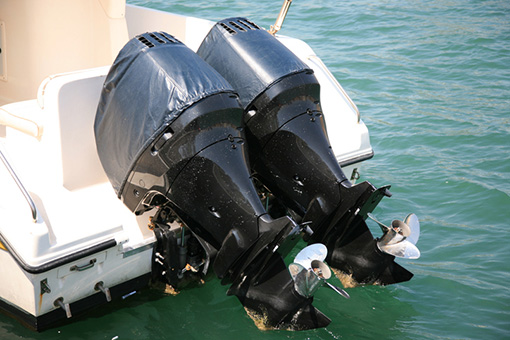
The average marine gasoline engine runs for 1,500 hours before needing a major overhaul. The average marine diesel engine will run for more than three times that long and log an average 5,000 hours under the same conditions. The number of hours that a marine engine runs is very dependent on the amount and quality of maintenance over the years.
The typical gasoline marine engine will run fine for the first 1,000 hours. It is at this juncture that the engine starts to exhibit small problems. If these small problems aren’t addressed, they can turn into major problems which may make the last 500 hours of life difficult to reach.
Interestingly, an automobile engine may run almost twice as long (3,000 hours) as your marine gasoline engine. The reason is that marine engines normally work harder and under worse conditions than automobile engines.
A well-maintained gasoline engine run under the best conditions may well run for more than the 1,500 hours without major overhaul. However, many that operate under the most atrocious conditions of salt air, damp bilges, intermittent operation and pure neglect will certainly die early.
Diesel engines are built to finer tolerances than are gasoline engines. They will accept much more abuse and often deliver, if well maintained, 8,000 hours of hard work before need a major overhaul. Theoretically, a well-maintained diesel may last the life of your boat. Since the average recreational boater logs only about 200 hours per year, the 8,000 hour diesel would last 40 years.
Although diesels can add considerable cost to a boat, they should be seriously considered because of their durability, economy of operation and safety concerns. Diesel fuel has a much higher flash point than gasoline and does not present the same threat of explosion that gasoline fumes carry.
Engines like to run long and steady. The shorter the running time between stops, and the longer the idle time between runs, the fewer the hours they will deliver before needing major repairs.
The adverse conditions under which marine engines operate have a great deal to do with their longevity. What they really need is rarely what they get. Naval architects recommend that engine compartments should be supplied with lots of dry, cool (50 degrees F), clean air. The very minimum fresh air vent area (in square inches) for natural ventilation without blowers is found by dividing engine horsepower by 3.3.
Two of the most important rules of thumb for engine compartment blowers on gasoline engines are that they should always be set to exhaust, not to blow air in, and they should be run for a minimum of 5 minutes before starting the engine.
Two indicators that can alert you to potential trouble are the color of exhaust smoke and changes in the appearance of your oil when you check it.
Exhaust gases from marine engines should be clear. Any color of smoke can warn you of potential trouble.
- Black smoke is the result of engine overload, a restricted air supply, or a malfunctioning fuel injector in the case of a diesel engine. Improperly burned particles of excess fuel are blown out the exhaust.
- Blue smoke is formed by combustion of the engine’s own lubricating oil. This can be the result of worn piston rings, valve guides, or oil seals. The oil can come from an overfilled air filter in the case of a diesel engine or excess oil in the crankcase.
- White smoke indicates either water vapor from dirty fuel, a water leak into the cylinder or atomized, but completely unburned, fuel. Air in the fuel can also cause white smoke.
You can not check the level and condition of your oil in your engine too often. You should check it at least once a day and preferably before every start. It is also a good idea to wipe the dip stick clean with your bare fingers and feel the consistency of the oil. Use the paper towel to wipe your fingers. You should rub the oil on the stick lightly between your thumb and index finger and feel for any foreign particles which could indicate contamination or metal parts failures.
Weekend boaters checking the oil before starting should be suspicious of oil levels that are too high or too low.
Too high a level might be a clue that water has found its way into the oil sump. You could crack the cylinder head, break a piston, or both, just by turning the engine over. The oil with water in it will also look "milky".
Too low a level could indicate an oil leak that could lead to engine seizure. Look in the bilge to see if there is any oil residue. Many marine engines sit very low in the bilge and water is consistently in contact with the oil pan. Over the years this can corrode and cause pinhole leaks in the pan.
Whenever there is a large deviation from normal, take that as an urgent warning. Start looking for more clues or seek the advice of an expert.
Provided By:
Boat Safe