Many times we simply get complacent at dockside and don’t use our common sense. Following are a few tips that you should adhere to to make dockside boating safer and more pleasant for you and your dockside neighbors.
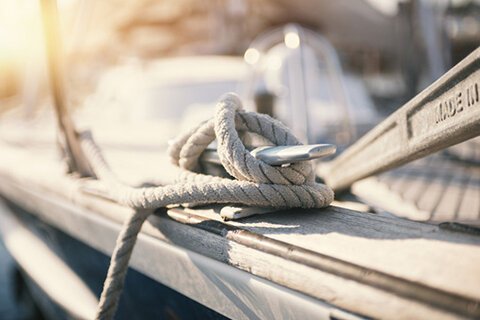
- ALWAYS neatly coil or flemish excess line both on the dock and onboard. This not only looks more professional but can prevent someone from tripping over a loose line and falling. Guess who would be at fault if it were your line they tripped over?
- ALWAYS turn off all AC breakers on board, then turn off the breaker and disconnect the power cord from the dock first. You will see many people undo the power cord from the boat and then hand it to, or worse yet, carry it off the boat to the dock. One slip and they are in the drink with a live wire.
- ALWAYS make sure you turn off all outside lights, instruments, and VHF radio. There is nothing more un-neighborly than a light shining on the boat in the next slip or the VHF blasting loudly while you are out for a late night at the local pub.
- NEVER connect a dock water supply to the pressure side of the water system on your boat. Not even with a pressure-reducing valve. This is an invitation to sink your boat. All you need is for one of those hose clamps to quit, or a flexible section to rupture and there is an unlimited supply of water to fill your boat. Far better to fill your water tank periodically using a hose and using the onboard water pressure pump to supply your requirements. Now if there is an accident, no more water can come on the boat than was already there and you can’t sink. Keeping your pressure pump working on a regular basis is also better for it. Nothing kills pumps quicker than being idle for long periods.
- NEVER have a water tank that overflows anywhere onboard. Plumb the overflow overboard or to a drain which always runs overboard because, sooner or later, you will go ashore and forget you left the hose filling the tank!